
Sports Spine Injury Rehabilitation
Whether managing acute or recurrent back pain, recovering from a sports spine injury, or returning to performance, our Manchester clinic supports a structured, criteria-based return to full activity.
Specialist Services
Our Sports Spine Injury Rehabilitation in Manchester
Sports spine injury rehabilitation at our clinic in Manchester begins with a focused assessment of spinal function, strength, and movement quality. We regularly support:
1. Athletes with Acute Spinal Injuries
Athletes managing acute spinal injuries such as muscle strains, disc-related pain, and joint irritation sustained during training, competition, or contact in sport.
2. Strength and Loading Athletes
Powerlifters, weightlifters, and strength athletes managing back pain from heavy compound lifts, where progressive loading and movement quality determine the most reliable recovery.
3. Rotational Sport Athletes
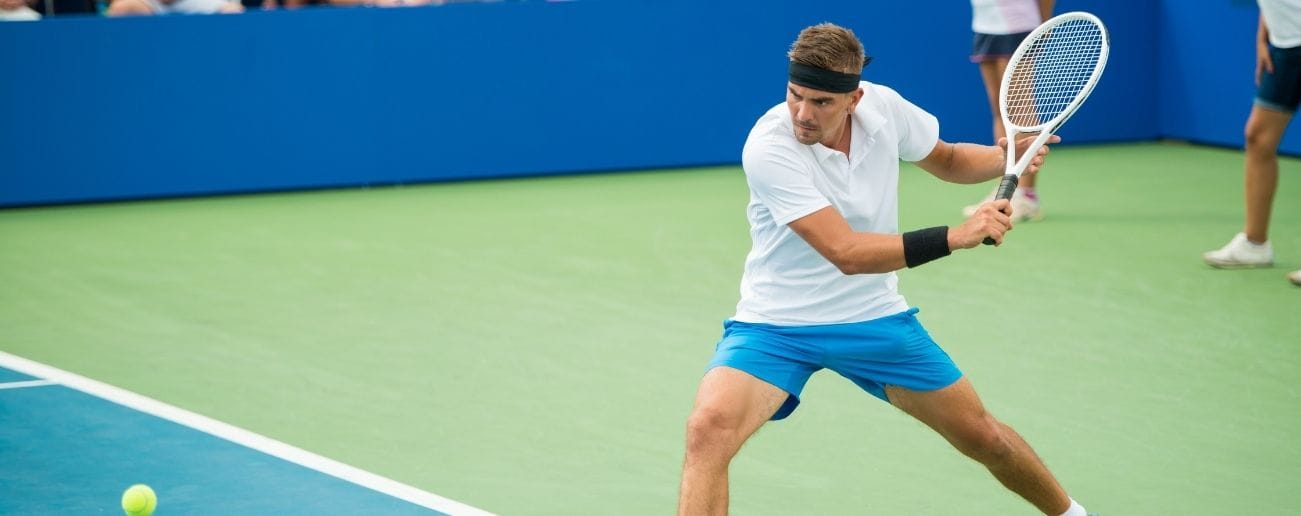
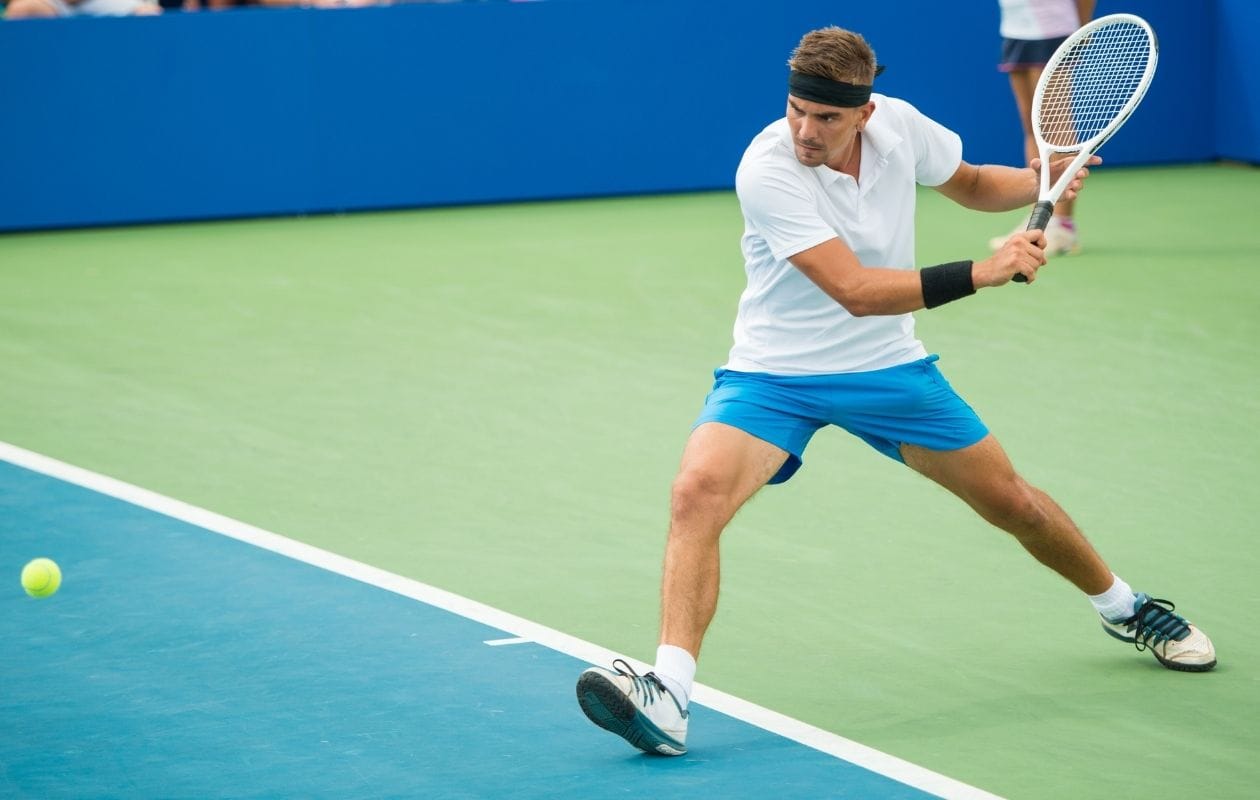
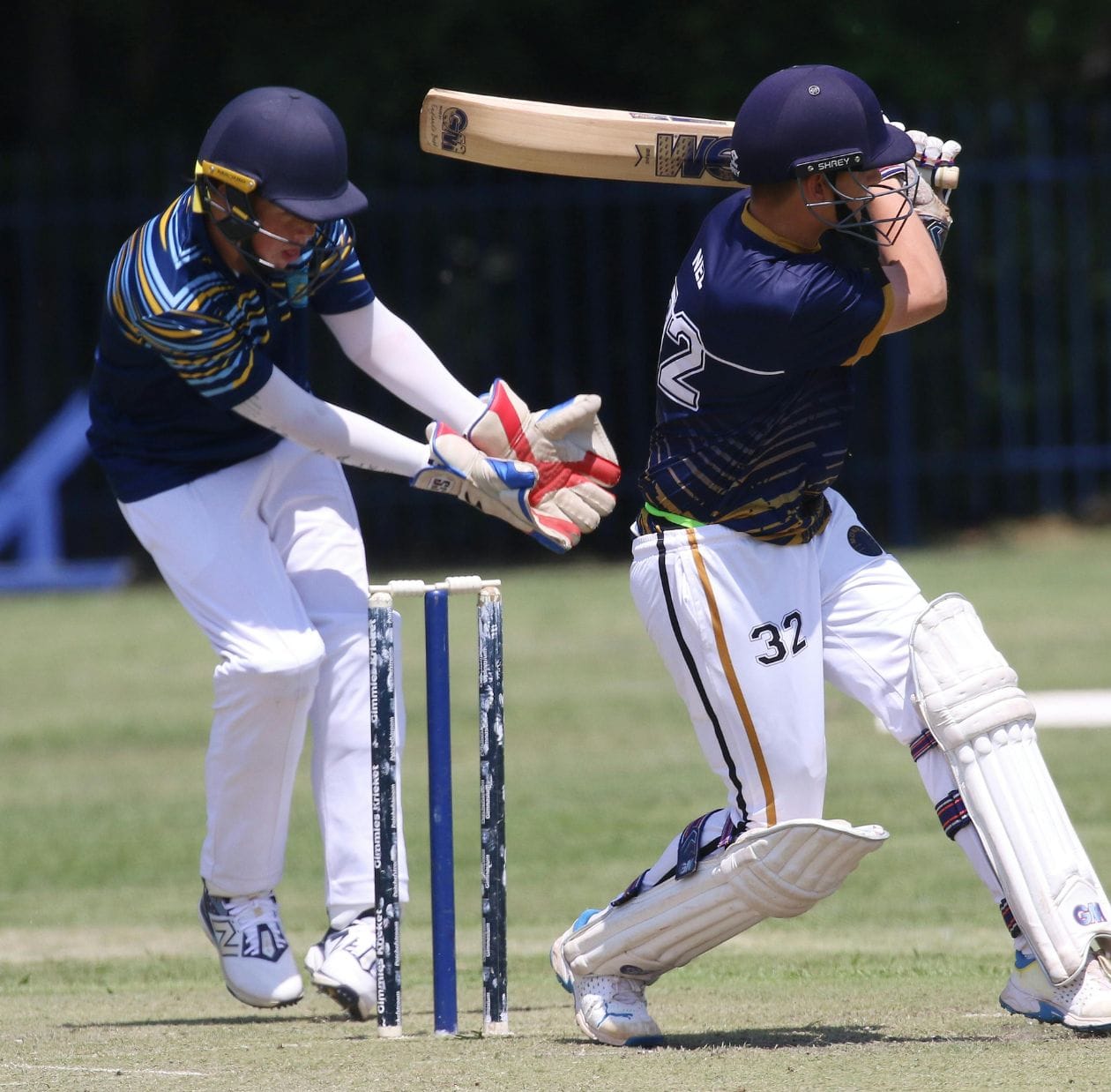
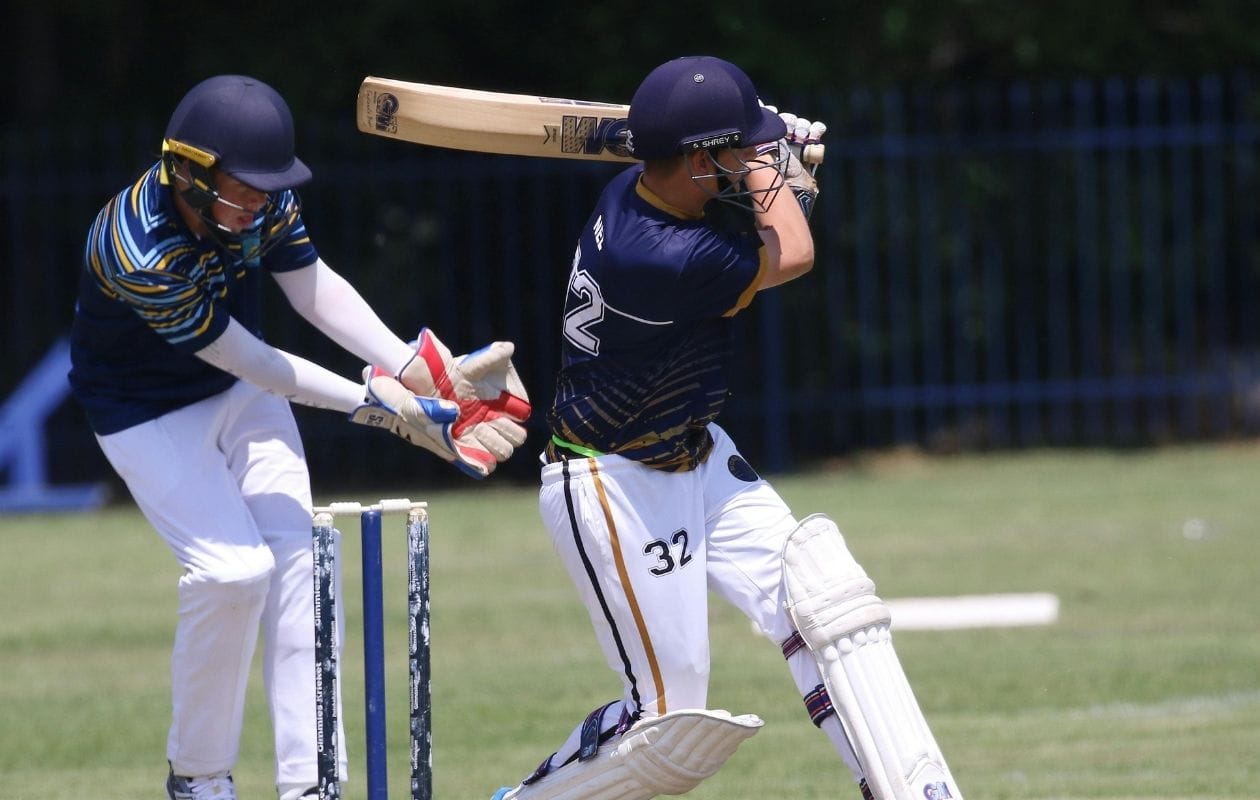
Golfers, tennis players, and cricketers managing back pain linked to repetitive trunk rotation and extension, where strength, motor control, and movement efficiency underpin long-term recovery.
4. Endurance Athletes and Cyclists
Runners, cyclists, and endurance athletes managing back pain linked to sustained positions and repetitive loading, where trunk endurance and motor control are central to rehabilitation.
5. Athletes with Spondylolysis and Stress Injuries
Young athletes and active patients managing spondylolysis and other lumbar stress injuries linked to repeated extension and rotation, where structured rehabilitation supports a return to full sport.
How We Assess
How We Assess Your Spine Injury
Our Assessment
By exploring a range of contributing factors, we identify what is driving pain, limiting performance, or increasing your risk of injury during training and daily activity. This may include evaluating:
- Spinal range of motion, joint mobility, and pain provocation testing
- Strength, trunk endurance, and motor control across the spine and surrounding regions
- Identification of contributing factors from the hip, pelvis, and shoulder regions
This gives us clear direction for the next steps and which physiotherapy services to draw on, ensuring your rehabilitation aligns with the demands of your sport.
Why This Helps Our Physiotherapists
This allows our Manchester-based physiotherapists to:
- Identify the specific source of spinal pain rather than treating symptoms in isolation
- Recognise contributing factors from the hip, pelvis, and surrounding regions
- Track measurable progress against objective criteria as rehabilitation progresses
As a result, your rehabilitation is structured around what your spine is genuinely ready for, bringing to every spine client we work with the same clinical depth we apply with elite and professional athletes.


Conditions We Treat
Spine Scenarios that we specialise in
Spine injuries vary considerably depending on the structure involved, the demands of your sport, and how long the issue has been present. Our spine physiotherapy supports the full range of presentations we see in practice.
Lower Back Pain
The most common spinal complaint in active patients and athletes, where strength, trunk endurance, and motor control deficits typically drive recurrent symptoms. Targeted strengthening and progressive loading deliver the most reliable outcomes.
Spondylolysis
Lumbar stress fractures associated with repeated extension and rotation, common in cricketers, gymnasts, dancers, and young athletes in extension-heavy sports, where structured rehabilitation supports a full return to sport.
See our dance and performing arts page for related performer complaints.
Disc Pain and Sciatica
Rotational Loading Injuries
Back pain linked to rotational and loading demands in sports such as golf, cricket, tennis, weightlifting, and rugby, where strength and movement quality determine recovery and long-term resilience.
See our golf physio page for rotational sport complaints.
Post-Op Spine Rehab
Structured rehabilitation following spinal surgery, where staged progression protects the surgical outcome and supports return to full sport and activity.


Our Approach
How Sports spine Injury Rehabilitation Works
Each stage of our spine injury rehabilitation applies the same structured framework we use with elite and professional athletes, progressing you from injury through return to full sport and activity, with a focus on objective measures and progressive loading.
Step 1: Spine Injury Assessment
Your journey begins with a detailed assessment to understand your injury, the demands of your activity, and the specific source of your symptoms, with the same clinical depth we bring to elite and professional athletes.
Step 2: Identifying Key Factors
We then conduct targeted clinical testing to confirm the source of your symptoms and the specific deficits driving them, including strength, mobility, trunk endurance, and contributing factors elsewhere in the kinetic chain.
Step 3: Targeted Treatment & Rehabilitation Planning
Using your assessment findings, we develop a personalised plan focused on your spine and the demands you want to return to. This may include progressive strength training, manual therapy, and post-op rehabilitation where applicable for patients recovering from spinal surgery.
Step 4: Progressive Return to Sport
Rehabilitation is progressed in stages, building tissue capacity, strength, and movement quality before introducing the higher-loading demands of running, lifting, rotation, or sport-specific work.
Step 5: Ongoing Support and Re-Injury Prevention
We provide ongoing support to help our patients maintain spinal strength, monitor movement quality, and reduce the risk of recurrence over the long term.
What Our Clients Say
Our clients are at the heart of everything we do
Hear from clients who have elevated their performance and long-term well-being with our expert-led care.
“Block book appointments to avoid disappointment! A professional vocalists best kept secret!! Dan has become a staple to my busy life as a performer. I try to book in as regular as possible if he has a slot available. Dan is amazing, the best in the business. I always leave feeling more relaxed, with clearer tone and ready for performance mode again. I have recommended him to other performers, reluctantly because i want to always make sure I can get an appointment. Thank you Dan!”
Chesqua - Professional Singer
Isabel Hague
“Dan is without doubt one of the best in his field of work. His knowledge and expertise is second to none. He has helped me not only physically by putting together a specialised plan for my injuries, but also mentally helping me understand by explaining everything throughly and intricately. Dan is warm, friendly and he genuinely cares about each of his clients. My sessions with Dan have not only begun to heal my injuries, but I have built strength, gained knowledge and it’s boosted my confidence. I come out of my sessions with spring in my step!”
Laura Harrison - Professional Music Theatre Performer
“After struggling with my knee for a few months, Dan popped round to make an assessment. He was clear, thoughtful, understood my lifestyle and my desire to get moving. He provided advice, guidance and hands on treatment that helped deal with the swelling and pain. I have recommended him to my son and you only do that when you trust someone to make a difference. Thank you Dan.”
Clare Hayward -Director At Cirus
Mohammed Rauf
“I’ve had the pleasure of being treated by Dan on two separate jobs, where he looked after my feet and voice. In only a few sessions I regained total mobility in my feet in a physically intensive show, and more recently have been making use of his vocal massage skills for a vocally demanding role. Dan has an amazing way of finding the crux of the issue and will resolve it with ease, reassurance and expertise. I would recommend Dan to anyone!”
Jed Berry - West End actor
“Dan is an extraordinarily effective physio who has helped me immediately with various joint and muscle problems over the last year and a half. In addition to the treatment he clearly explains the cause of the problems and gives exercises focusing on prevention of reoccurrence and strengthening of the area involved. I feel in great shape thanks to the treatment, core exercises and the inspiration he has given me to get back to running and exercising.”
A. Zuntz - Professional violinist
“An actress friend recommended Dan to me as I needed a vocal massage. I was on tour and my voice was getting tired. I didn’t think I would find someone in Manchester but then my friend told me about Dan. He was amazing. A really nice guy, I immediately felt comfortable and relaxed and he was so good. My voice felt so much better the next day. After that I saw him weekly, not just for my voice but for all the injuries I was sustaining on tour. He fixed my neck, back and calf, and I can’t thank him enough!”
Hayley Tamaddon - Professional actor
“I was referred to Dan by an NHS Speech and Language Therapist for laryngeal physiotherapy. Not only has Dan really helped me with this side of things, but he has also provided manual therapy and exercises for symptoms caused by autoimmune conditions and chronic pain. I am appreciative that Dan has liaised with the other healthcare professionals involved in my care as part of a holistic approach, and they have also appreciated this. He is honest and will tell you if something is likely to help or not and what may be realistic, and reviews your goals with you regularly. I would recommend him to anyone.”
Alexandra Brown - NHS psychologist
Declan Brady
“Daniel has a real ability to understand his clients’ needs and implement the most powerful and integrative treatments. Superb in communication and application, he makes a real and lasting difference for successful recovery and physical development. With specific and varying needs, I always come away feeling empowered and reinvigorated. Dan’s the man and I will travel far and wide to get an appointment. Thanks Daniel!”
Rik Makarem - Professional actor
“Dan has helped me a lot with my piano playing related injuries and has gone further than any other physio I’ve had to combat the problem. I return regularly not only to maintain my wellbeing but to have a catch up too. I highly recommend Dan to anyone!”
Mackenzie Paget - Classical pianist
FAQs
Your Questions About Sports Spine Injury Rehabilitation
How long does spine injury rehabilitation take?
Do I need scans for my back pain?
Not always. Imaging is most useful where it changes the clinical pathway, such as in suspected stress injuries, disc-related leg pain, or after significant trauma. Our Manchester-based physiotherapists can guide you on whether imaging is appropriate and refer you onward if needed.
What causes back pain in athletes?
Back pain in athletes typically involves a combination of factors, including the demands of the sport, training load, strength and trunk endurance deficits, and contributing factors from the hip and pelvis. Accurate assessment is essential because different causes require different approaches to rehabilitation.
Can spondylolysis be managed without surgery?
Do you work with patients after spinal surgery?
Yes. Our Manchester-based physiotherapists provide structured post-surgical rehabilitation following spinal procedures, working closely with the protocols set by your surgeon to support a safe return to activity.