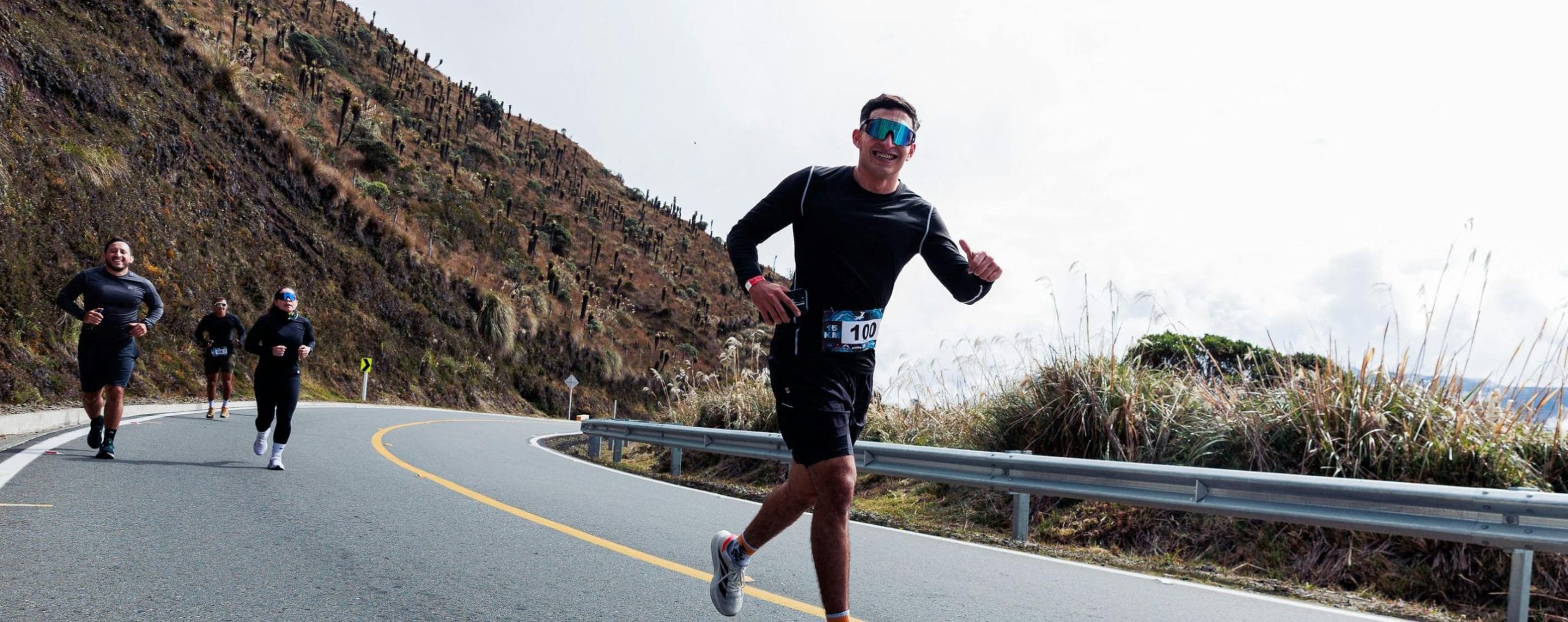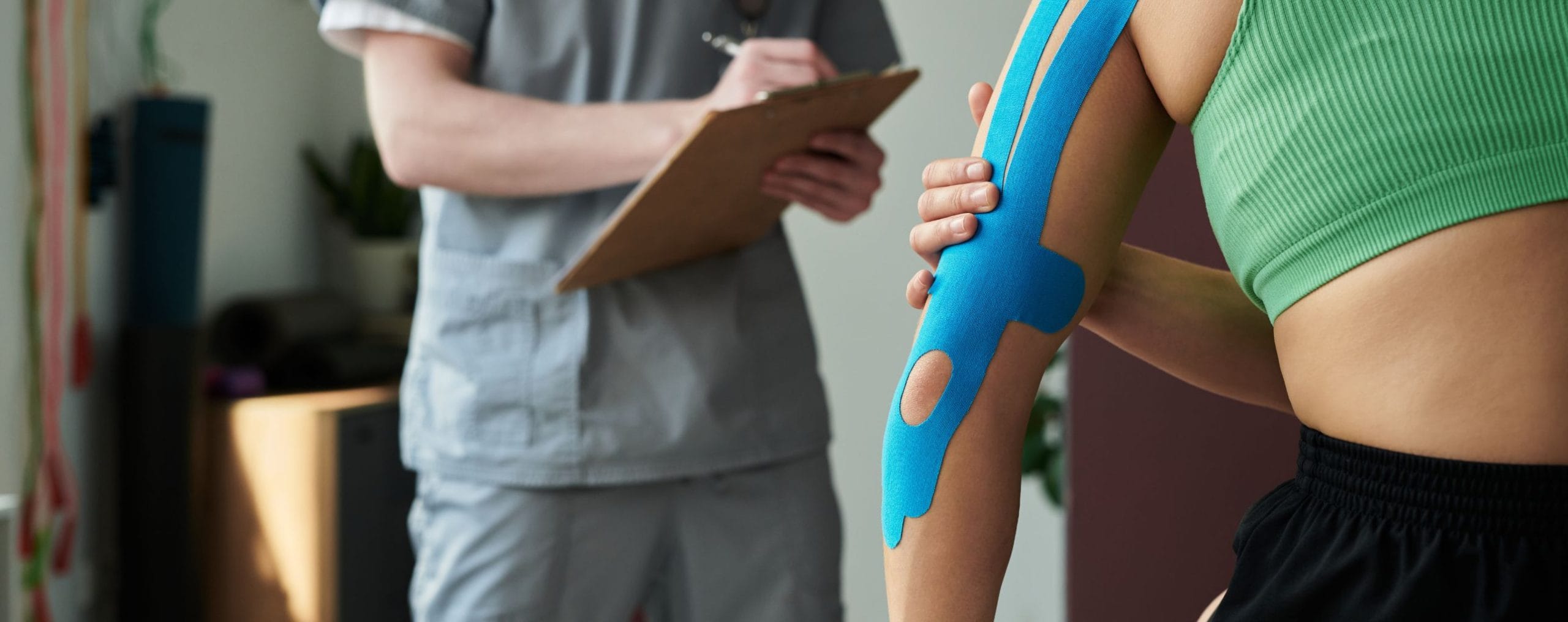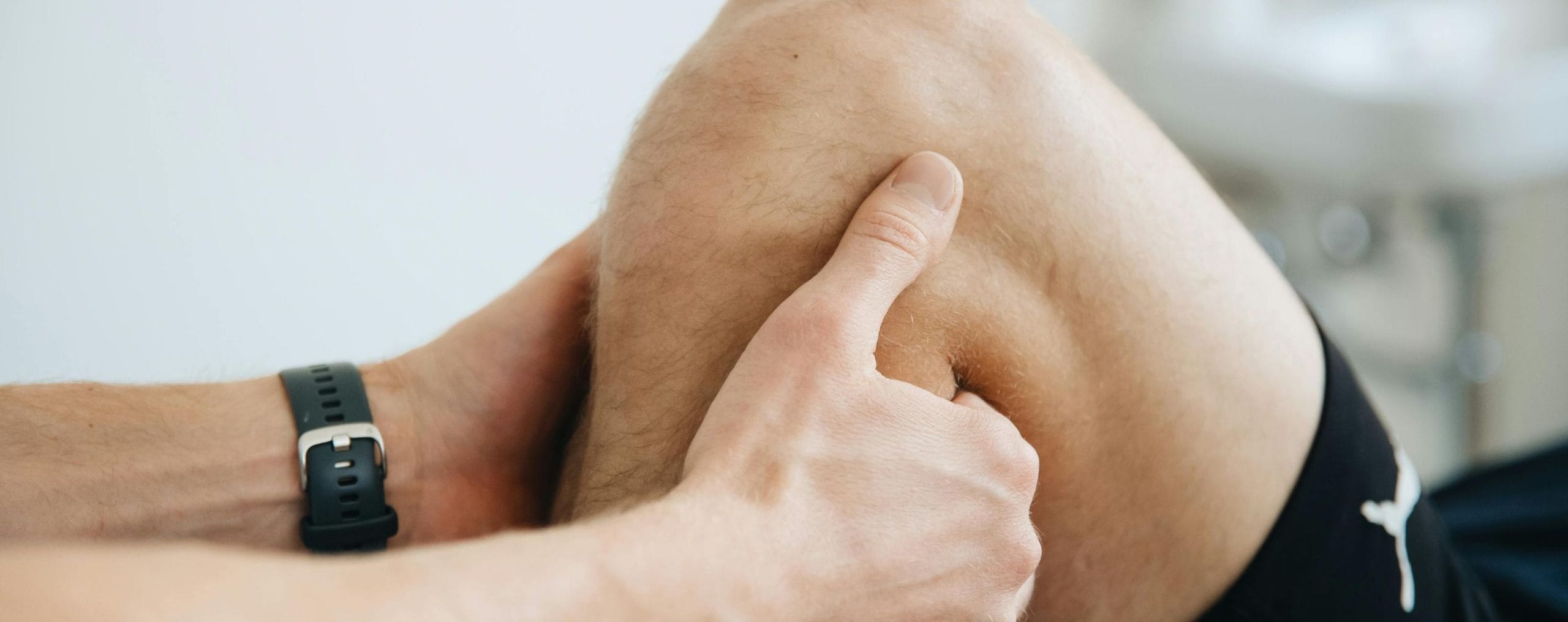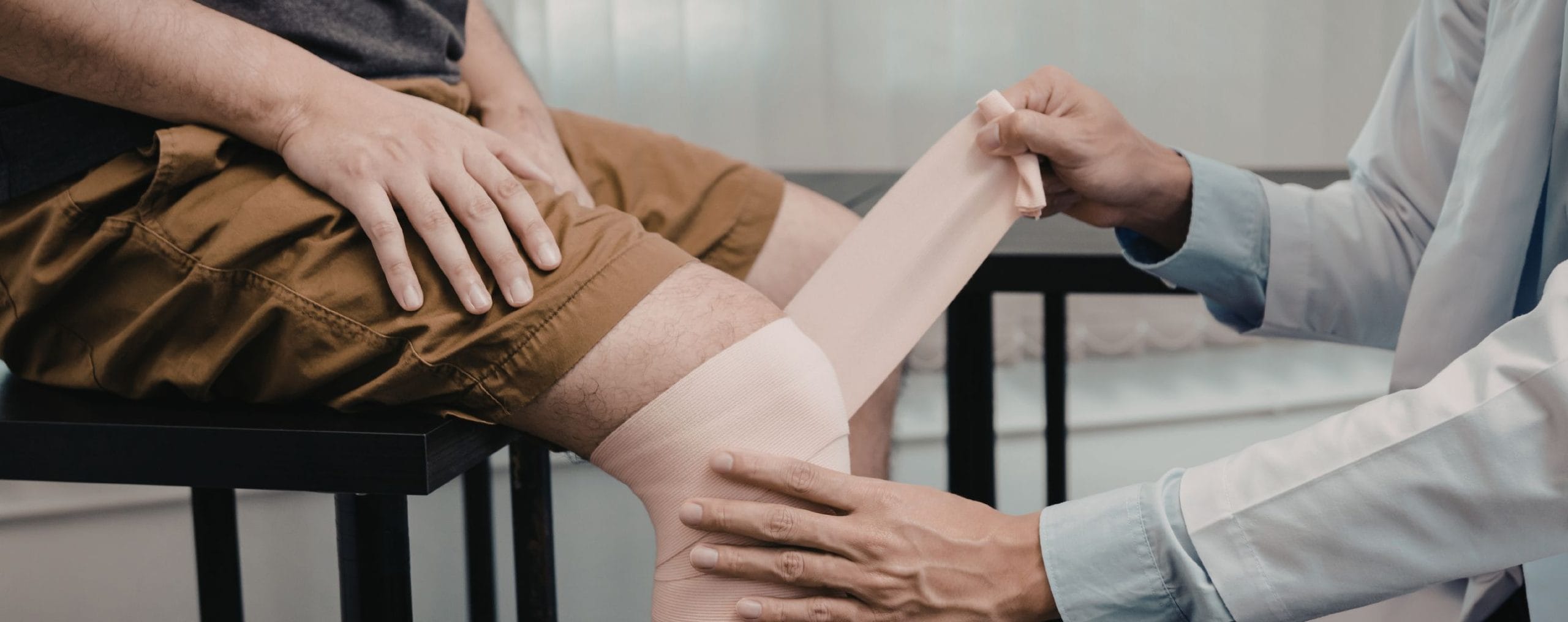
An anterior cruciate ligament (ACL) injury can feel like a major setback, especially if competing or training is part of your routine. However, with the right approach to ACL injury rehab, it can also provide an opportunity to rebuild strength, improve movement quality, and return to sport with greater resilience.
What an ACL Injury Is and How It Occurs
The ACL is one of the key stabilising ligaments in the knee, helping to control the forward movement of the shin while maintaining stability during directional changes. To support normal function, a certain level of movement within the knee is necessary. If this movement becomes excessive, it can lead to long-term issues if not addressed.
As a result, ACL injuries often occur during sudden, high-load movements. These typically include planting the foot and twisting, rapid changes in direction, or decelerating quickly. In these situations, the knee is subjected to significant stress, particularly when control or alignment is compromised.
This type of injury is frequently seen in sports such as football and netball, where cutting, pivoting, and landing are common. It can also occur in the gym during heavy lifting if movement control is reduced under load.
Why Sports Injury Physiotherapy is Essential for ACL Recovery
While general physiotherapy may help restore walking and everyday function, sports physiotherapy services take a targeted approach by preparing the knee for the demands of returning to sport.
Key reasons why sports physiotherapy is essential include:
- Restoring Proprioception: After an ACL injury, the connection between the brain and the knee can be affected. Through neuromuscular training, this awareness is gradually rebuilt so movements become more controlled and efficient.
- Rebuilding Strength: The quadriceps and hamstrings must be strong enough to absorb and generate force. This helps reduce stress on the ligament during activity.
- Improving Load Tolerance: Gradual progression allows the knee to safely handle increasing levels of impact.
- Preparing for Sport-Specific Demands: Exercises are structured to reflect the movements required in training and competition.
Key stages of ACL Injury Rehabilitation
ACL injury rehab is best approached as a structured progression rather than a fixed timeline. Each stage builds on the last, with athletes moving forward based on how their knee responds to load and recovery.
Early-Stage Protection and Swelling Control
The early phase focuses on settling the knee and restoring basic movement, with the priority on reducing swelling, improving range of motion, and reintroducing gentle movement. Achieving full knee extension early is particularly important, as it promotes normal walking patterns and long-term function.
Support from physiotherapy services with injury management at this stage helps guide safe progression while avoiding unnecessary stiffness or irritation.
Strength Rebuilding and Knee Stability
Once the knee has settled, the focus shifts to rebuilding strength and improving stability to better manage training demands and reduce the risk of reinjury.
This stage centres on activating and strengthening the quadriceps and hamstrings, which help stabilise the knee during movement. At the same time, the hips and core are developed to improve load distribution through the lower limb. This helps create a more stable and efficient movement pattern.
Sport-Specific Rehabilitation and Movement Training
The later stages of ACL injury rehab focus on preparing the body for a return to sport. As this phase bridges the gap between rehabilitation and full training, exercises become more dynamic and closely reflect the movements done in the athlete’s specific sport. This may include running drills, cutting movements, jumping, and controlled landing techniques.
At this stage, sports rehabilitation supports recovery by helping athletes move with confidence while safely managing speed, direction changes, and impact.
Preventing Future Ligament Injuries After ACL Recovery
Completing rehabilitation is an important milestone, but long-term success relies on maintaining strength, control, and movement quality beyond this stage. Ongoing work, including continued strength training, monitoring training load, and maintaining consistent movement patterns during sport, helps the body continue to adapt.
Regular check-ins, structured MSK (Musculoskeletal) physiotherapy programmes, and sports-specific screening services also help identify small changes in movement or strength before they develop into problems. In turn, this contributes to long-term knee health, more consistent training, and greater confidence in performance.
Do I Need Surgery for an ACL Injury?
Not every ACL injury requires surgery. The most appropriate approach depends on the severity of the injury, your activity levels, and the demands you plan to return to.
In many cases, rehabilitation begins soon after injury, focusing on reducing swelling, restoring movement, and rebuilding strength around the knee. This early phase also provides an opportunity to assess how the knee responds to treatment, helping guide whether surgery is necessary. At the same time, sports injury physiotherapy helps prevent long-term damage by addressing underlying movement patterns and supporting a more sustainable recovery.
However, surgery may be recommended in certain situations, particularly relevant for individuals who want to return to sports that involve frequent twisting, pivoting, or rapid changes in direction. It may also be considered if the knee feels unstable during everyday activities or if there is additional damage within the joint.
To support this decision, further assessment is usually required. This may include a clinical examination and imaging, such as an MRI, to understand the extent of ligament damage and identify any associated injuries. Based on these findings, a physiotherapist or orthopaedic specialist can outline the most appropriate options.
Choosing whether to proceed with surgery involves weighing the benefits alongside the recovery process and your individual goals. At Elite Performance Physio MCR, a full assessment can help clarify your options and guide the next steps in your recovery, whether you follow a surgical or non-surgical pathway. To begin your recovery, you can arrange an initial assessment by calling 0161 888 0839 or emailing info@eliteperformancephysiomanchester.co.uk.
Frequently Asked Questions About ACL Injury Rehabilitation
Can an ACL tear heal on its own without surgery?
In some cases, people can manage an ACL injury without surgery, particularly if their activity demands are lower and do not involve pivoting or rapid changes in direction. However, the ACL does not fully regenerate, so stability often relies on strength and control around the knee. It is recommended that you consult a healthcare professional to assess your situation and guide your next steps in recovery.
How long does ACL injury rehab usually take before I can play sports again?
Rehabilitation typically progresses over several months, but returning to sport depends on meeting specific criteria. These include strength symmetry between limbs, good movement control, and passing functional tests such as jumping, landing, and change-of-direction tasks. A physiotherapist can assess these areas and provide a more accurate timeframe based on your individual progress.
What happens if I don’t do physiotherapy after an ACL injury?
Without rehabilitation, strength, stability, and movement control may not fully recover. This often leads to compensatory movement patterns that can place stress on other areas, such as the knee, hip, or ankle. Over time, this increases the risk of reinjury and can affect performance.
Why is my quad muscle so much smaller after my ACL injury?
Following an ACL injury, the quadriceps often do not activate properly. This is partly due to changes within the joint, a response known as arthrogenic muscle inhibition, which can lead to a noticeable loss of muscle size and strength. Rehabilitation focuses on restoring early activation, then progressively building quadriceps strength so the quadriceps can support knee stability and control movement effectively.
Do I need a knee brace during my ACL recovery?
A knee brace may be recommended at certain stages, particularly early in recovery or after surgery, to provide support and guide movement. As rehabilitation progresses, reliance on external reinforcement is reduced as the knee becomes stronger and more stable.