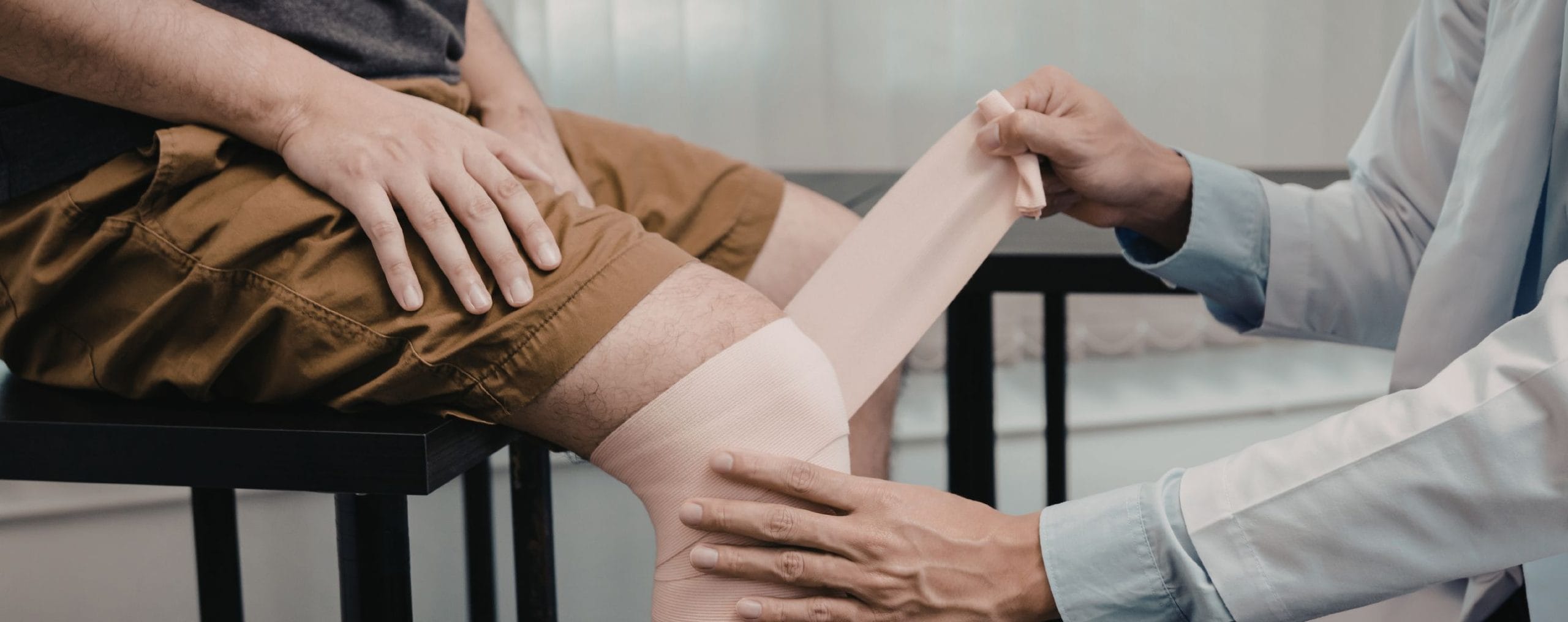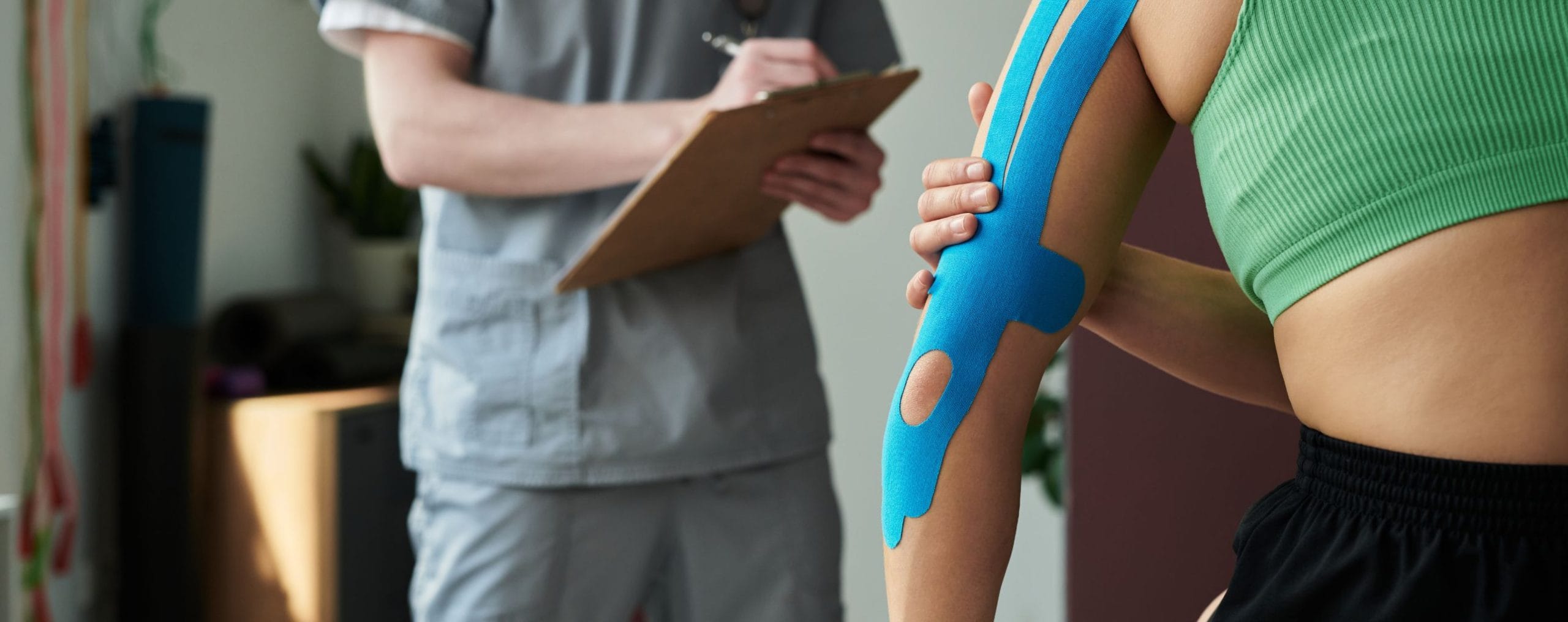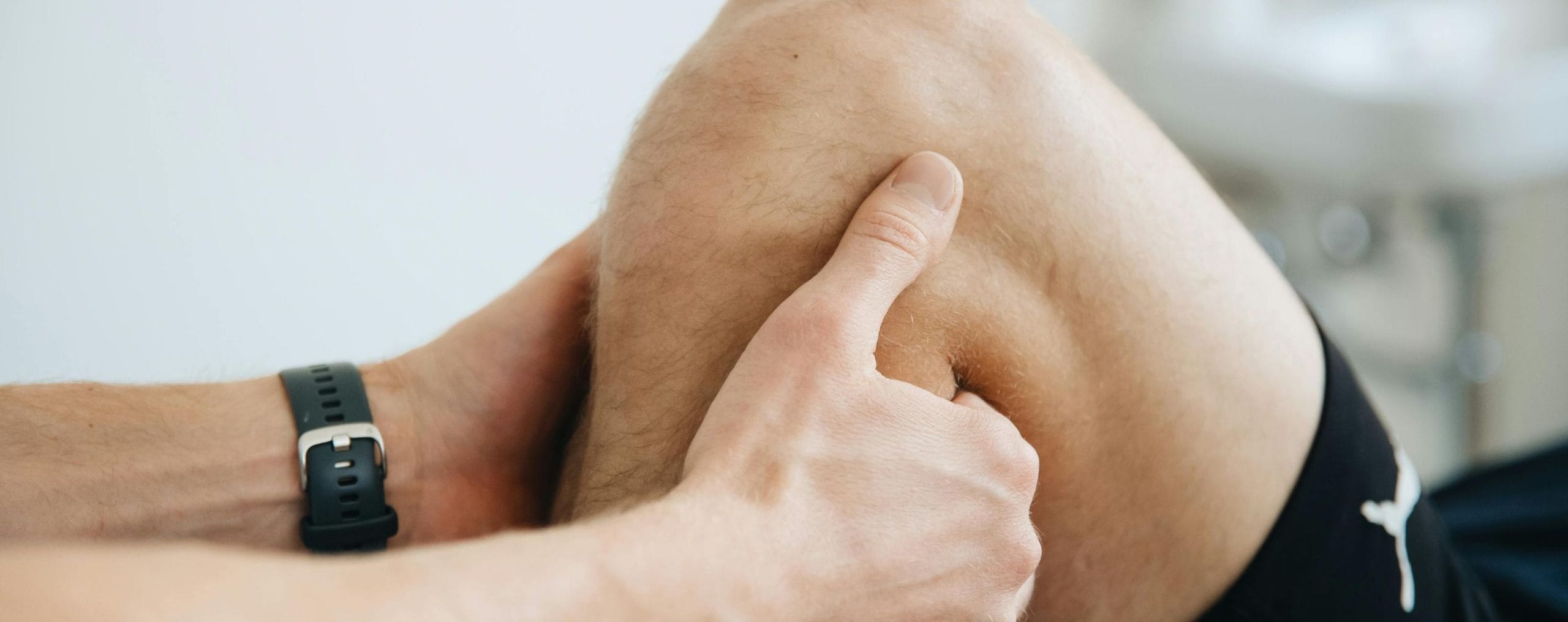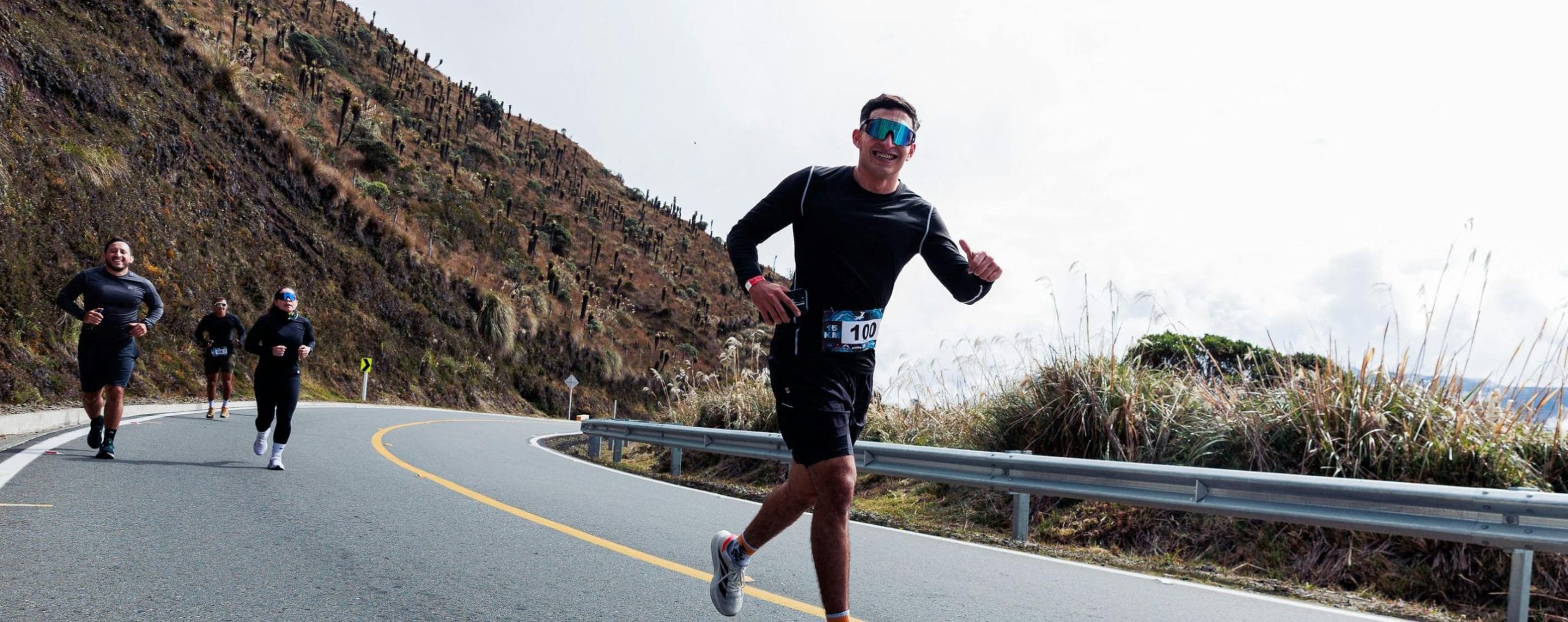
Getting back to sport after an ACL injury involves both physical recovery and mental readiness. Even when the knee feels stronger, it is common to experience hesitation when sprinting, changing direction, or going into a challenge.
Within a structured physiotherapy approach, such as the one followed at Elite Performance Physio MCR, return to sport is not based on guesswork or a calendar date. Instead, it is guided by testing that determines whether your body can meet the demands of your sport.
Why Returning Too Early After ACL Injury Is Risky
Returning to sport too early after an ACL injury carries significant risks, particularly when the knee has not yet adapted to the demands of training and competition. This can lead to several issues, including:
- Incomplete Tissue Adaptation: The graft or healing ligament may not be strong enough to withstand load, resulting in excessive pressure on the knee.
- Strength Imbalance: If the injured leg is weaker than the unaffected side, the knee is placed under unnecessary stress during movement.
- Unrecovered Movement Patterns: Compensations may still be present, shifting load to other joints or tissues and increasing strain.
- Higher Reinjury Risk: These combined factors increase the likelihood of a second injury, especially during high-demand actions such as sprinting, landing, or changing direction.
This also applies to those who undergo surgery, as a reconstructed ACL still carries a risk of reinjury. Reported rates can vary, ranging from around 1–2% to over 20%, depending on factors such as activity level and return to sport.
Research also highlights how common reinjury can be if return to sport is not managed carefully. It is estimated that around one in five individuals experience a second injury to either knee following ACL reconstruction. This risk is often higher in younger athletes, particularly those returning to higher levels of competition, where the physical demands placed on the knee are greater.
Timing plays an important role, as returning to sport before nine months after surgery is associated with a significantly higher risk of reinjury, with some evidence suggesting the risk can be up to seven times greater compared to delaying return. In contrast, delaying return allows the knee more time to adapt, with evidence showing that reinjury rates can be reduced by around 50% for each month return to sport is delayed up to nine months.
Allowing enough time to meet the right physical markers can make a meaningful difference, helping the knee better handle the physical requirements of sport while reducing the likelihood of further setbacks.
How Sports Physiotherapy Prepares Athletes for Return to Sport
A structured sports physiotherapy service focuses on preparing the athlete’s body to handle the demands of training and competition through:
- Whole-Body Movement: Assessing how the entire body works together, including strength, coordination, balance, and load distribution across joints.
- Progressive Loading: Building strength and control in early stages, then gradually introducing more dynamic and sport-specific movements.
- Bridging Rehab to Sport: Transitioning from controlled rehabilitation exercises to training that reflects real match or competition demands.
- Movement Quality: Refining how you land, change direction, and accelerate to ensure efficient and safe movement patterns.
Rehabilitation Milestones After ACL Injury
Rehabilitation after an ACL injury follows a progression of milestones, with each stage reflecting what the body can handle rather than simply how much time has passed.
Milestone 1: Restoring Knee Strength and Stability
A key early milestone is restoring strength and stability in the injured leg. The aim is to achieve a high level of symmetry between both limbs, often at least 90%.
Reaching this level of strength is important before progressing to high-impact or unpredictable movements. Without it, the knee may not be able to safely withstand the demands of sport.
Through a specialised Musculoskeletal (MSK) physiotherapy service, strength is developed in a controlled way, focusing on the quadriceps, hamstrings, and supporting muscles around the hip and core.
Milestone 2: Building Sport-Specific Strength and Movement Control
Once a solid strength base is established, the focus shifts to preparing the body for the sport-specific demands. This milestone involves developing strength and control in more dynamic and unpredictable situations.
ACL injury rehabilitation through sports physiotherapy progresses into drills that reflect real match conditions, including changes in direction, acceleration, deceleration, and reactive movements. These drills help the body adapt to the speed, unpredictability, and physical demands of sport, allowing movement to become more controlled and consistent under pressure.
Milestone 3: Passing Functional Testing for Return to Sport
Before returning to sport, the final milestone is passing sports-specific screenings that reflect the intensity of the demands placed on the body during competition. Assessments may include single-leg hop variations and balance testing, such as the Y-Balance test. These are used to measure strength, control, and coordination under load.
The results provide objective data to guide decision-making, giving athletes clear feedback on their performance and any areas that still require development.
Rebuilding Confidence After an ACL Injury
Returning to sport after an injury involves rebuilding both physical capacity and confidence. Therefore, it is completely normal to feel some hesitation, even when the knee feels stronger.
This often becomes noticeable during higher-speed or more demanding movements, where trust in the knee is still developing. With the right progression, confidence improves as the body becomes better at handling these actions.
As rehabilitation advances, confidence can improve through consistent exposure to movement and increased control under load. Functional testing supports this by providing clear evidence of readiness, helping athletes return to sport with assurance and a sense of control.
Long-Term Strategies to Prevent Another ACL Injury
Returning to sport is an important milestone, but it does not stop there. Maintaining knee health requires ongoing attention even after rehabilitation.
To support this, training should include a combination of strength, stability, and coordination work. This helps the body adapt to increasing demands while maintaining control and resilience during sport.
Regular monitoring can also make a difference. Small changes in movement or strength can develop over time, so identifying them early allows for timely adjustments before they impact performance or increase injury risk.
Structured physiotherapy integrates these elements to prepare the body for the physical requirements of the sport. It provides a clear framework for ongoing progression, helping athletes maintain performance while reducing the risk of setbacks as training intensity increases.
At Elite Performance Physio MCR, return-to-sport decisions are guided by objective testing and detailed assessment. Through this approach, physiotherapy helps prevent damage by preparing your body for the demands of your sport.
If you are unsure about your readiness, book a full functional screening to get a clear assessment and actionable next steps. To arrange your consultation, contact us at 01618880839 or info@eliteperformancephysiomanchester.co.uk.
Frequently Asked Questions About Returning to Sport After an ACL Injury
How do I know if I am mentally ready to return to sport?
Mental readiness can be identified through the following signs:
- Confident movement during sprinting, direction changes, and landing.
- Control during high-speed or reactive movements.
- Comfort when increasing intensity.
- Ability to keep your head in the game during training or competition.
A physiotherapist can assess these areas and help determine whether you are ready to return to sport.
What are the tests used in ACL rehab?
ACL rehabilitation uses a combination of strength, control, and performance-based tests to assess readiness. These may include single-leg hop variations to measure power and limb symmetry, as well as balance assessments such as the Y-Balance test to evaluate control and stability. In addition, strength testing and movement analysis are often used to assess how the body handles load during more dynamic tasks.
Do I still need sport-specific screening if my knee feels fine?
Yes. Feeling comfortable during training does not always reflect how the knee performs under higher intensity or unpredictable conditions. Sport-specific screening assesses how the body responds to the demands of your sport, including speed, direction changes, and fatigue. It can identify subtle imbalances or movement patterns that may not be noticeable during regular training but could increase the risk of injury over time.
When can I return to running after my rehab?
Return to running depends on strength, control, and the knee’s response to load. The earliest a return is likely is around 12 weeks, though this can vary depending on how rehabilitation has progressed. This is guided by factors such as strength, movement control, and the presence of swelling. A physiotherapist will assess your readiness and guide your progression to ensure the knee can safely tolerate impact.
What is the biggest mistake athletes make when returning to play?
A common mistake is returning to sport solely on the basis of time, without meeting physical criteria. Even if the knee feels better, underlying strength deficits or movement issues may persist. This can lead to compensation, increased joint stress, and a higher risk of reinjury.