
CrossFit Injury Rehabilitation
Whether returning from injury or building towards competition, CrossFit injury rehabilitation at our Manchester clinic supports athletes through structured recovery, helping them rebuild strength, restore movement quality, and return to full training.


Specialist Services
Our CrossFit Injury Rehabilitation in Manchester
CrossFit injury rehabilitation at our clinic in Manchester begins with a focused assessment of training history, movement quality, strength, and load tolerance. We regularly support:
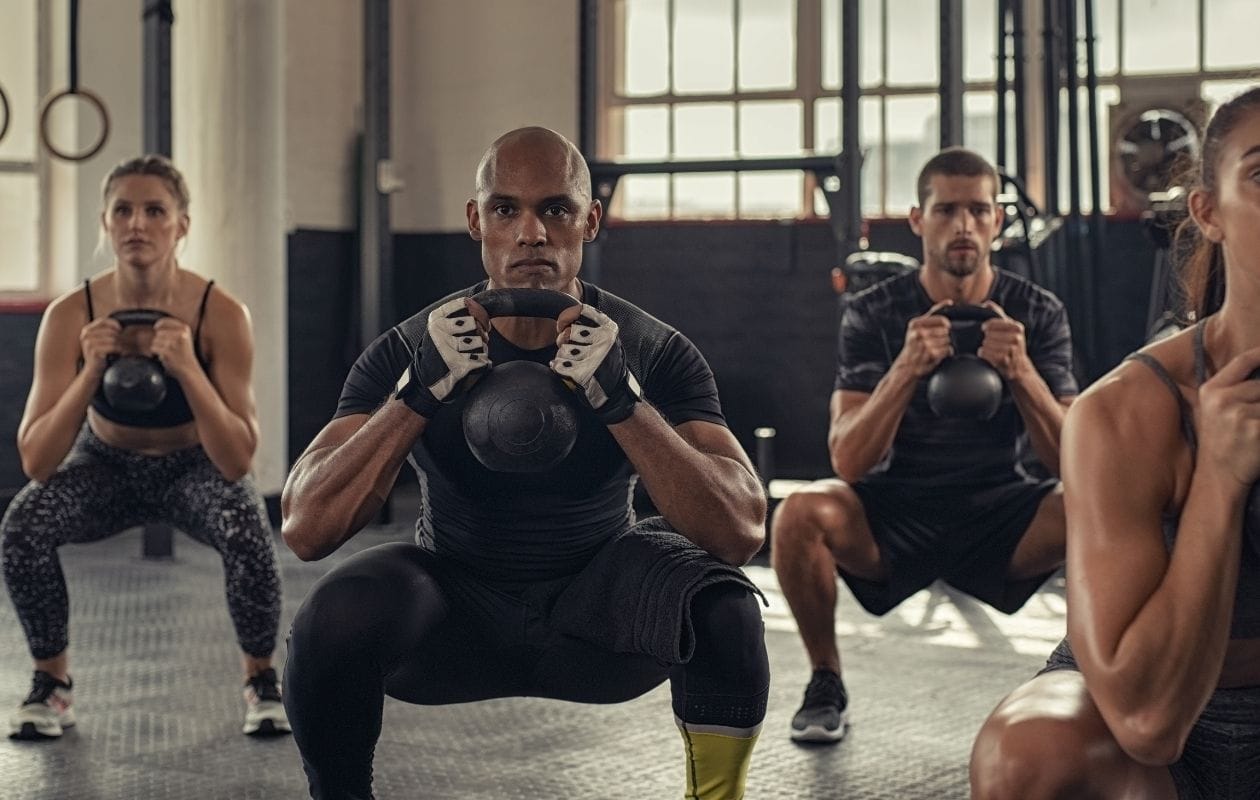
1. Recreational CrossFit Athletes
Recreational CrossFit athletes managing common training-related injuries linked to weekly class loading, where consistent participation across varied movements drives the most frequent overuse complaints.
2. Competitive CrossFit Athletes
Competitive CrossFit athletes working through injuries during heavy programming blocks, often around competition prep where training intensity, volume, and movement complexity all increase together.
3. Returning CrossFit Athletes
Athletes returning to CrossFit after injury, time off, or surgery, where graduated reintroduction of complex movements such as Olympic lifts, gymnastics, and high-intensity conditioning is essential to avoid setback.
4. New CrossFit Athletes
Newer athletes managing injuries from the unfamiliar loading patterns of CrossFit, where rapid introduction of multiple novel movements commonly drives early overuse complaints before tissue capacity has had time to adapt.
5. Masters CrossFit Athletes
Masters athletes managing the cumulative training demands of CrossFit alongside age-related changes in tissue tolerance, where intelligent load management plays an increasing role in long-term participation.

How We Assess
How We Assess Your CrossFit Injury
At Elite Performance Physio MCR, our CrossFit injury assessments apply the same structured approach we use with elite and professional athletes – considering the full range of movements involved in the sport, the demands of your programming, and the physical capacity required to handle them without breakdown.
Our Assessment
By exploring a range of contributing factors, we identify what is driving pain, limiting performance, or increasing your risk of injury during training. This may include evaluating:
- Training history, weekly volume, and movement-specific loading patterns
- Strength, mobility, and movement quality across the lifts and gymnastics elements
- Identification of factors contributing to current injury and re-injury risk
This gives us clear direction for the next steps and which performance physio services to draw on, ensuring your rehabilitation aligns with your training goals.
Why This Helps Our Physiotherapists
This allows our Manchester-based physiotherapists to:
- Identify the specific movements and loading patterns driving your CrossFit injury
- Target rehabilitation to the demands of your programming and goals
- Reduce the risk of re-injury during return to full training
As a result, your treatment is built around the demands of varied movement, intensity, and volume – bringing the same clinical depth we apply with elite and professional athletes to every CrossFit client we work with.


Conditions We Treat
CrossFit injuries that we specialise in
CrossFit injuries are typically driven by combined loading across complex movements, where the same tissues are repeatedly stressed under volume, intensity, and fatigue. We treat the full spectrum of common CrossFit complaints.
Shoulder Pain
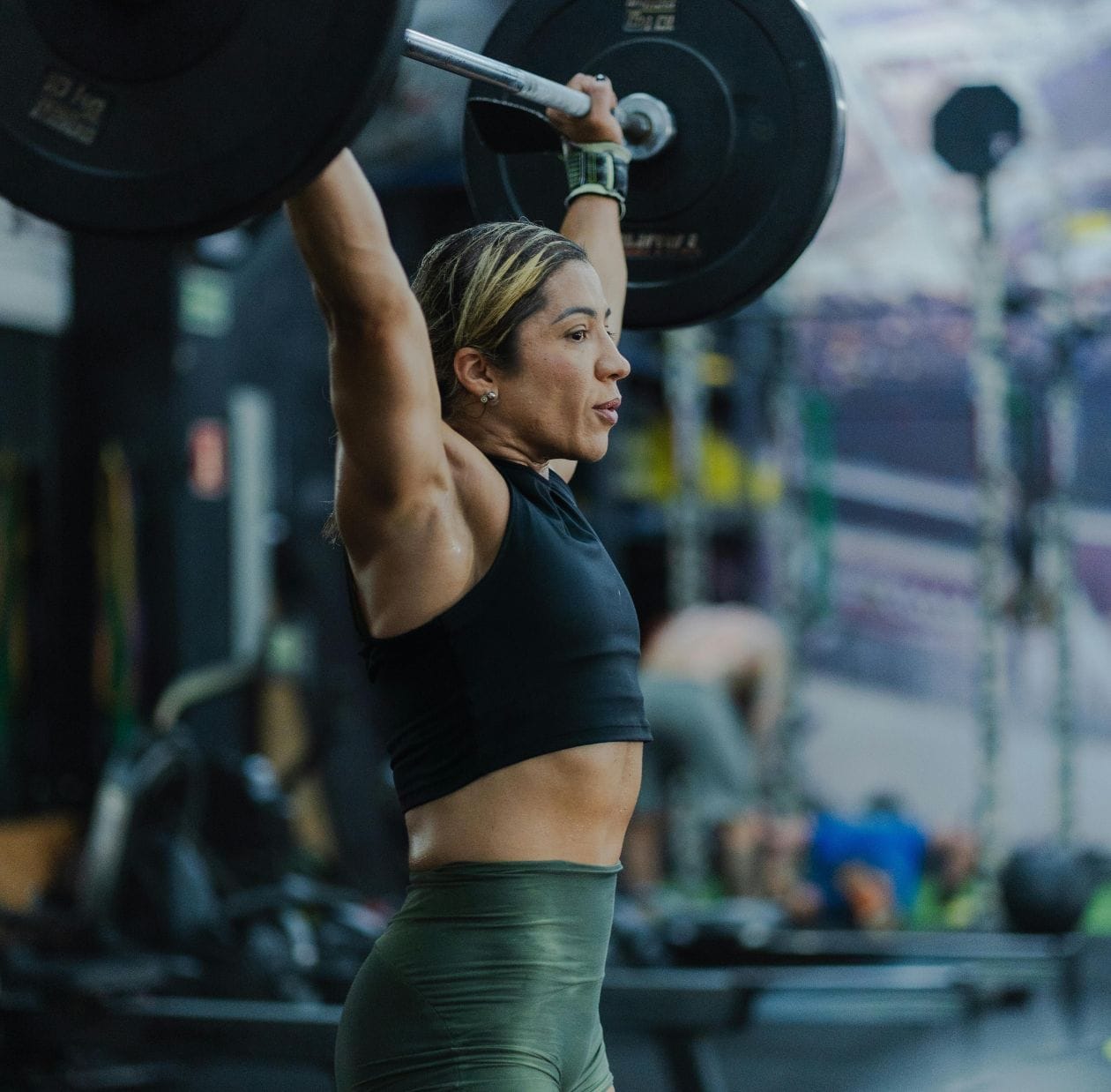
Rotator cuff irritation, impingement, and instability driven by combined overhead and pulling demands across pressing, kipping, muscle-ups, and Olympic lifts, where high repetition and complex loading patterns expose the shoulder to cumulative stress.
See our sports shoulder pain page for broader shoulder complaints.
Lower Back Pain
Lumbar spine load from heavy compound lifts, deadlifts, and Olympic lifts under fatigue, where loss of trunk control during high-volume sessions increases stress on the spine.
See our sports spine injury page for related back complaints.
Knee Pain
Wrist and Elbow Pain
Wrist and elbow overload from front squats, cleans, kipping pull-ups, and gymnastics movements, where sustained gripping, pressing, and bar contact place repeated stress on the forearm and elbow tendons.
Calf and Achilles Injuries
Achilles tendinopathy and calf strain from combined high-volume running, double-unders, box jumps, and Olympic lifts, where the lower leg absorbs cumulative impact across multiple movement patterns.
Our Approach
How CrossFit Injury Rehabilitation Works
Each stage of our CrossFit injury rehabilitation applies the same structured framework we use with elite and professional athletes – progressing you from injury through return to full training, with a focus on objective measures and progressive loading.
Step 1: CrossFit Injury Assessment
Your journey begins with a detailed assessment to understand your injury, training history, and the movement-specific demands of the training you want to return to. We apply the same clinical depth here that's shaped our work with elite and professional athletes.
Step 2: Identifying Movement and Load-Related Factors
We then conduct targeted clinical testing to confirm the specific factors driving your injury, including movement quality, strength, mobility, and the loading patterns of your programming.
Step 3: Targeted Treatment & Rehabilitation Planning
Using your assessment findings, we develop a personalised plan focused on your sustainable return to CrossFit. This may include progressive strength training, targeted load modification, and sports massage to support recovery between sessions.
Step 4: Progressive Return to Movements & Programming
Rehabilitation is progressed in stages, building tissue capacity through graduated return to movements, restoring lifting capacity, and reintroducing volume and intensity in line with your programming.
Step 5: Ongoing Support & Performance Progression
We provide ongoing support to help you progress from return to training through to your performance goals, reducing the risk of re-injury and supporting long-term CrossFit health.
What Our Clients Say
Our clients are at the heart of everything we do
Hear from clients who have elevated their performance and long-term well-being with our expert-led care.
“Block book appointments to avoid disappointment! A professional vocalists best kept secret!! Dan has become a staple to my busy life as a performer. I try to book in as regular as possible if he has a slot available. Dan is amazing, the best in the business. I always leave feeling more relaxed, with clearer tone and ready for performance mode again. I have recommended him to other performers, reluctantly because i want to always make sure I can get an appointment. Thank you Dan!”
Chesqua - Professional Singer
Isabel Hague
“Dan is without doubt one of the best in his field of work. His knowledge and expertise is second to none. He has helped me not only physically by putting together a specialised plan for my injuries, but also mentally helping me understand by explaining everything throughly and intricately. Dan is warm, friendly and he genuinely cares about each of his clients. My sessions with Dan have not only begun to heal my injuries, but I have built strength, gained knowledge and it’s boosted my confidence. I come out of my sessions with spring in my step!”
Laura Harrison - Professional Music Theatre Performer
“After struggling with my knee for a few months, Dan popped round to make an assessment. He was clear, thoughtful, understood my lifestyle and my desire to get moving. He provided advice, guidance and hands on treatment that helped deal with the swelling and pain. I have recommended him to my son and you only do that when you trust someone to make a difference. Thank you Dan.”
Clare Hayward -Director At Cirus
Mohammed Rauf
“I’ve had the pleasure of being treated by Dan on two separate jobs, where he looked after my feet and voice. In only a few sessions I regained total mobility in my feet in a physically intensive show, and more recently have been making use of his vocal massage skills for a vocally demanding role. Dan has an amazing way of finding the crux of the issue and will resolve it with ease, reassurance and expertise. I would recommend Dan to anyone!”
Jed Berry - West End actor
“Dan is an extraordinarily effective physio who has helped me immediately with various joint and muscle problems over the last year and a half. In addition to the treatment he clearly explains the cause of the problems and gives exercises focusing on prevention of reoccurrence and strengthening of the area involved. I feel in great shape thanks to the treatment, core exercises and the inspiration he has given me to get back to running and exercising.”
A. Zuntz - Professional violinist
“An actress friend recommended Dan to me as I needed a vocal massage. I was on tour and my voice was getting tired. I didn’t think I would find someone in Manchester but then my friend told me about Dan. He was amazing. A really nice guy, I immediately felt comfortable and relaxed and he was so good. My voice felt so much better the next day. After that I saw him weekly, not just for my voice but for all the injuries I was sustaining on tour. He fixed my neck, back and calf, and I can’t thank him enough!”
Hayley Tamaddon - Professional actor
“I was referred to Dan by an NHS Speech and Language Therapist for laryngeal physiotherapy. Not only has Dan really helped me with this side of things, but he has also provided manual therapy and exercises for symptoms caused by autoimmune conditions and chronic pain. I am appreciative that Dan has liaised with the other healthcare professionals involved in my care as part of a holistic approach, and they have also appreciated this. He is honest and will tell you if something is likely to help or not and what may be realistic, and reviews your goals with you regularly. I would recommend him to anyone.”
Alexandra Brown - NHS psychologist
Declan Brady
“Daniel has a real ability to understand his clients’ needs and implement the most powerful and integrative treatments. Superb in communication and application, he makes a real and lasting difference for successful recovery and physical development. With specific and varying needs, I always come away feeling empowered and reinvigorated. Dan’s the man and I will travel far and wide to get an appointment. Thanks Daniel!”
Rik Makarem - Professional actor
“Dan has helped me a lot with my piano playing related injuries and has gone further than any other physio I’ve had to combat the problem. I return regularly not only to maintain my wellbeing but to have a catch up too. I highly recommend Dan to anyone!”
Mackenzie Paget - Classical pianist
FAQs
Your Questions About CrossFit injury Rehabilitation
How long does it take to recover from a CrossFit injury?
Recovery depends on the specific injury, how long it has been present, and your training history. Most overuse injuries respond to a structured rehabilitation programme within 6 to 12 weeks, although tendinopathies and shoulder-related complaints can take longer.
Do I need to stop CrossFit while I rehabilitate?
Not always. CrossFit involves a wide range of movements, and when one movement is aggravating an injury, others often are not. Our assessment determines which movements are safe, which need modification, and which need temporary removal.
Is CrossFit bad for my body?
No. CrossFit is demanding, but so are most competitive sports. The issue is the mismatch between what the sport demands and what your body is currently prepared for. When tissues are strong and load is well-managed, CrossFit is no more damaging than any other sport.
Should I keep training if I have shoulder pain from kipping or muscle-ups?
It depends on the injury. Complete avoidance often makes shoulder problems worse by allowing tissue to decondition. In most cases, load modification combined with a structured shoulder strengthening programme produces better outcomes than complete rest.
Do you only work with competitive CrossFit athletes?
No. We work with CrossFit athletes across all levels, from recreational class members and newer athletes through to competitive and Masters athletes. The principles of rehabilitation apply across the full spectrum.