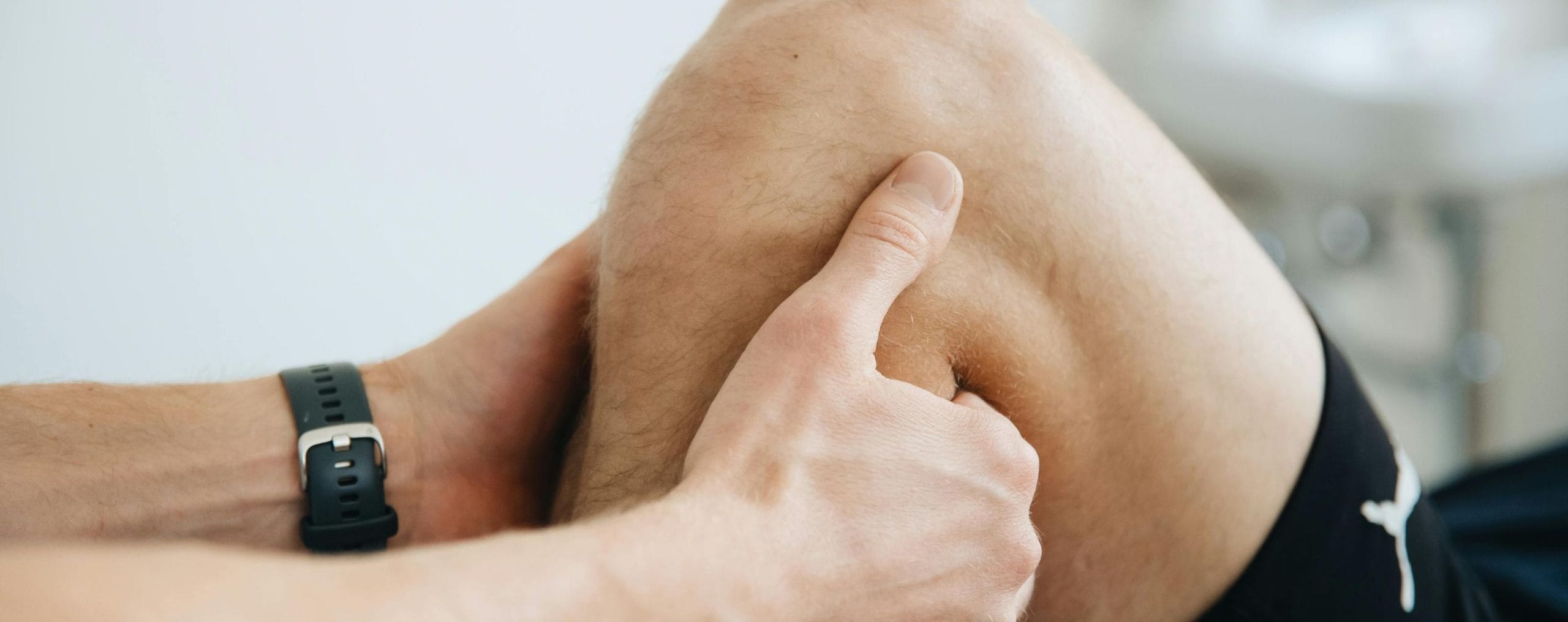
When sports injuries are left unmanaged or only partially treated, they can lead to ongoing issues that affect mobility, performance, and confidence.
Sports injury physiotherapy helps ensure injuries are managed properly from the earliest stages of recovery. Early assessment and structured rehabilitation enable athletes to recover fully and improve their bodies’ ability to meet the demands of training and competition.
Why Sports Injuries Often Become Long-Term Problems
Many sports injuries become long-term issues not because they are severe, but because key recovery steps are missed.
Common reasons sports injuries linger include:
- Incomplete Rehabilitation: Pain and swelling may improve, but strength, control, or movement quality are not fully restored. This often leads the body to compensate, placing repeated stress on the same tissues.
- Returning to Sport Too Early: Athletes often feel ready before the injured tissue can tolerate full training demands. Without gradual progression, this mismatch increases the risk of re-injury.
- Unaddressed Movement or Strength Issues: The original pain site is not always the root cause. For example, calf injuries may relate to poor hip control, while shoulder pain can stem from upper back stiffness or weak scapular muscles. If left untreated, athletes often experience recurring setbacks and reduced performance capacity.
- Lack of Load Management: Sudden increases in training volume or intensity place excess stress on recovering tissues that are not yet prepared to handle it.
Sports injury physiotherapy focuses on identifying and addressing these factors early. The goal is not to assign fault, but to build a stronger, more resilient foundation that supports long-term recovery and performance.
How Sports Injury Physiotherapy Protects Against Long-Term Damage
Sports injury physiotherapy reduces long-term damage by treating both the injured tissue and the way the body moves and handles load during sport.
Early rehabilitation focuses on restoring normal movement, reducing irritation, and allowing healing to progress without unnecessary stress. This stage helps tissues recover while avoiding stiffness, weakness, or protective patterns that can limit function later on.
Alongside this, physiotherapy looks at how the rest of the body contributes to the injury. Strength imbalances, poor control, or inefficient movement patterns can overload tissues during training. These factors are identified and corrected so the body distributes load more evenly when returning to sport.
At Elite Performance Physio MCR, sports physiotherapy is designed to support both recovery and long-term performance. Programmes are tailored to the athlete, the sport, and the physical demands involved, helping reduce the risk of recurring injuries and supporting resilience throughout rehabilitation.
Assessments Used To Identify Hidden Injury Causes
In sports injuries, pain is often felt in one area, while the underlying cause lies elsewhere in the movement chain. This is why detailed assessment is a key part of sports injury physiotherapy, particularly when the aim is to prevent long-term damage.
Physiotherapy assessments focus on identifying the factors that overload tissue and increase injury risk, including:
Movement Patterns And Technique
How the body moves during sport-specific tasks is closely examined. Faulty patterns, such as uneven loading, poor control, or a restricted range of motion, can repeatedly stress the same structures.
Joint Mobility And Muscle Function
Limited mobility or delayed muscle activation can force other areas to compensate. Over time, this compensation increases strain and raises the likelihood of recurring injury.
Strength Imbalances Between Limbs
Differences in strength or control between the left and right sides are common after injury. These imbalances can affect running, jumping, and lifting mechanics if not addressed.
Strength And Control Work That Reduces Re-Injury Risks
Protecting against re-injury requires more than strength alone. Control, stability, and coordination are equally important in helping the body cope with the demands of sport.
Sports injury physiotherapy uses progressive strengthening alongside control and stability training to prepare joints and tissues. Exercises are selected to reflect the demands of sport, with a focus on how muscles work together rather than in isolation. As a result, this reduces compensation, which often leads to overuse problems.
Meanwhile, stability work improves the body’s ability to respond to unpredictable forces, such as changes in direction or uneven surfaces. Manual techniques, including sports massage, may also support recovery by managing muscle tension between sessions.
Sport-Specific Rehabilitation Programmes For Athletes
Every sport places its own demands on the body. For instance, runners repeatedly load the same tissues over long distances, footballers change direction under pressure, and gym-based athletes move heavy weights through controlled ranges of motion.
Sports injury physiotherapy adapts rehabilitation to match these specific demands. Early stages focus on restoring movement quality and baseline strength. As recovery progresses, exercises are developed into sport-specific drills that closely mirror training and competition conditions.
By following a progressive sports rehabilitation programme, athletes reduce the risk of rushing back too soon or missing key stages that protect against re-injury and long-term setbacks. Moreover, confidence grows as movements become familiar again, while tissues are given time to adapt safely to increased loads.
Physiotherapy Techniques That Support Long-Term Recovery
Sustained recovery is built through a combination of sports injury physiotherapy techniques to deliver results that last beyond symptom relief.
Key techniques include:
- Movement Education: Helps athletes understand how their bodies respond to training and recovery, supporting better decisions on load management and injury prevention.
- Guided Exercise Therapy: Forms the foundation of recovery by rebuilding strength, movement quality, and tolerance to load in a structured and progressive way.
- Manual Therapy: Supports joint mobility and soft tissue health, helping reduce stiffness and enabling more effective movement and exercise.
- Sports Massage: Helps manage muscle tension, support recovery between training sessions, and improve comfort during rehabilitation phases.
- Taping and Strapping: Provide short-term support to joints or soft tissues and reduce strain while strength and control are rebuilt.
- Proprioceptive Training: Focuses on balance, coordination, and joint awareness, improving the body’s response to unpredictable movements during sport.
- Plyometric Training: Introduced later in rehabilitation to develop power, speed, and impact tolerance, preparing athletes for running, jumping, and rapid direction changes.
When Athletes Should Seek Sports Injury Physiotherapy
Athletes should consider a sports injury physiotherapy assessment if they notice any of the following:
- Pain that lasts longer than expected or does not settle with rest
- Symptoms that improve but keep returning during training or competition
- A drop in performance, strength, or speed without a clear reason
- Ongoing stiffness or tightness that limits movement
- Loss of confidence when running, jumping, lifting, or changing direction
- Discomfort that shifts to other areas of the body
- Repeated niggles affecting the same joint or muscle
- Training modifications are becoming necessary to avoid pain
How Ongoing Physiotherapy Supports Long-Term Performance
Structured sports injury physiotherapy helps protect your body today and supports performance for years to come.
Ongoing rehabilitation helps athletes maintain strength, mobility, and resilience as training demands change. Meanwhile, regular check-ins enable review of movement patterns and loading strategies, allowing small issues to be addressed before they escalate into setbacks.
At Elite Performance Physio MCR, physiotherapy is used across recovery, prevention, and performance development. Athletes are supported through structured programmes that evolve alongside their sport, helping protect the body while building confidence in movement and training capacity over time.
To book a sports injury assessment, get in touch with Elite Performance Physio MCR by calling 0161 888 0839 or emailing info@eliteperformancephysiomanchester.co.uk. You can also follow the clinic on Facebook and Instagram for updates, insights, and guidance on recovery and performance.
Frequently Asked Questions About Sports Injury Physiotherapy
Can A Sports Injury Heal Incorrectly Without Physiotherapy?
Yes. Without structured rehabilitation, the body may compensate for the injury rather than fully restore strength and control. This can leave tissues underprepared for sport and increase the risk of recurring pain or re-injury.
What Happens If You Return To Sport Too Soon After An Injury?
Returning too early places stress on tissues that are not ready to tolerate the full load. This often leads to repeated irritation, reduced performance, or a longer recovery period than when rehabilitation is properly progressed.
How Do Physiotherapists Reduce The Risk Of Recurring Sports Injuries?
Physiotherapists assess movement quality, strength balance, and load tolerance. Rehabilitation, which is based on the assessment, then targets the factors that contributed to the injury, helping the body cope more effectively with the demands of sport.
Is Sports Physiotherapy Only For Professional Athletes?
No. Sports injury physiotherapy is suitable for anyone who trains, competes, or repeatedly puts physical stress on their body, including recreational athletes and gym-goers.
How Do You Know If A Sports Injury Needs Physiotherapy Or Just Rest?
If symptoms persist beyond the expected healing time, return to activity, or affect confidence and performance, a physiotherapy assessment is recommended to identify and address underlying issues.