

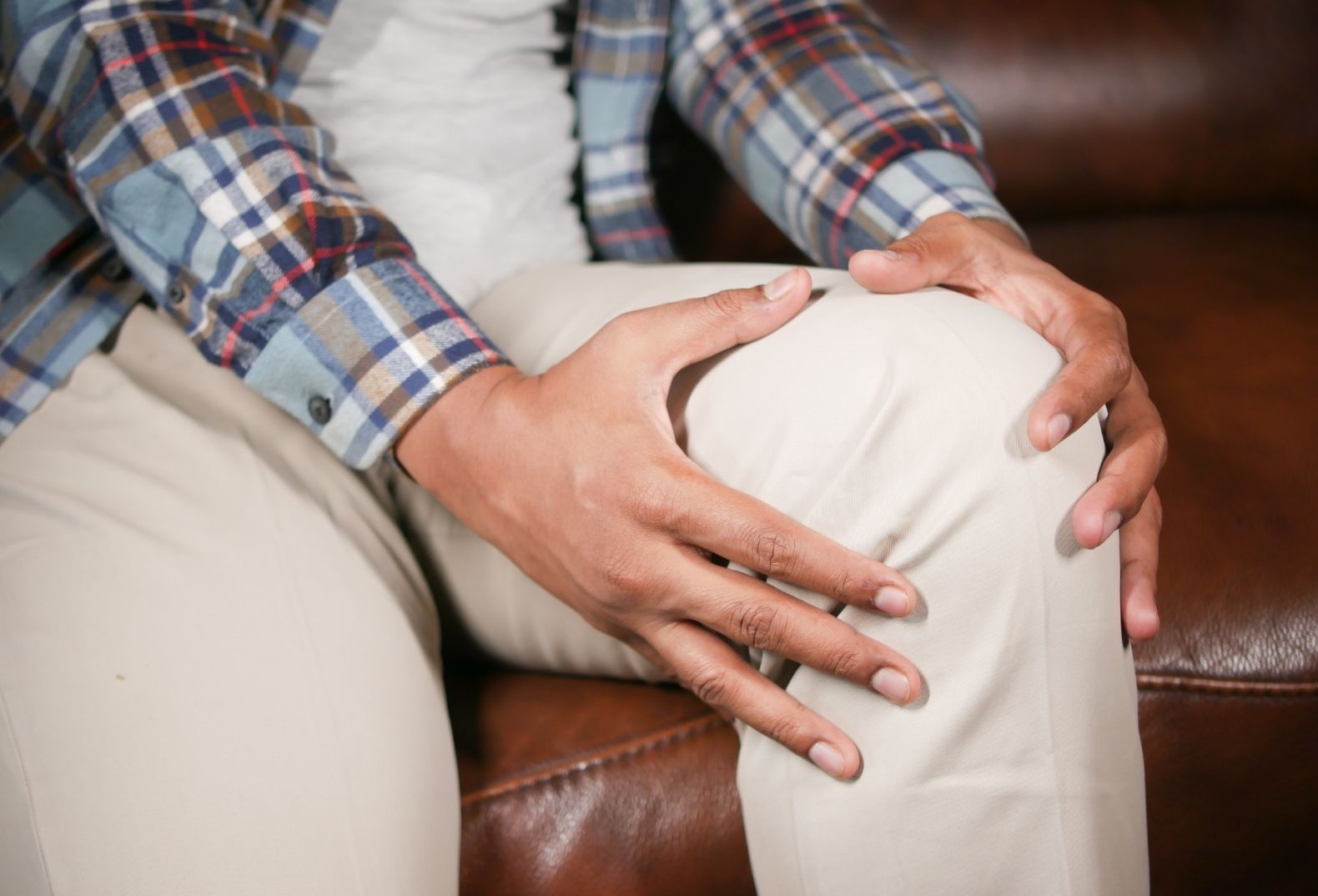
Causes and Treatments for Knee Pain When Bending
Causes and Treatments for Knee Pain When Bending
Pain when bending the knee is a common issue affecting many people. Whether it occurs when squatting, climbing stairs, sitting down, or standing up, it can quickly disrupt daily routines. It affects athletes, office workers who sit for extended periods, active adults who train regularly, and older individuals managing age-related joint issues.
Understanding Knee Pain: Common Causes
There are many possible causes of knee pain when bending, ranging from movement habits to underlying joint conditions.
Mechanical Causes
Mechanical causes relate to how the knee is used during daily activity, exercise, and sport. When certain movements are repeated often or performed with poor control, the tissues around the knee can become overloaded and irritated.
- Overuse: Repeated activities such as squatting, running, jumping, or kneeling can place constant stress on the knee joint. Over time, this can lead to inflammation, soreness, and reduced tolerance to movement.
- Poor Movement Patterns: Weak hips, limited ankle mobility, or poor foot control can change how force travels through the leg. As a result, the knee may take on more load than it should, increasing the risk of pain and strain.
- Sports Injuries: Sudden twisting, awkward landings, or direct impact during sport can strain ligaments, irritate cartilage, or damage surrounding tissues. These injuries commonly cause pain when bending, changing direction, or putting weight through the leg.
Medical Causes
Medical causes involve changes in the joint or surrounding tissues that develop over time or following injury. It’s important to remember that knee pain rarely has a single cause. In most cases, it develops from a combination of loading habits, movement patterns, and the tissues’ ability to tolerate stress.
- Osteoarthritis: This involves the gradual wear and tear of the cartilage in the joint. As the cushioning reduces, the bones move less smoothly, leading to stiffness, swelling, and pain, especially during bending or after rest.
- Rheumatoid Arthritis: An autoimmune condition in which the immune system attacks the joint lining. It can cause ongoing inflammation, swelling, warmth, and stiffness in the knee, often affecting both sides of the body.
- Patellar Tendinitis: Also known as jumper’s knee, this condition occurs when the tendon beneath the kneecap becomes irritated from repetitive stress. This commonly leads to tenderness and pain during bending, jumping, or sudden changes in direction.
- Bursitis: Inflammation of the small fluid-filled sacs that cushion the knee joint, leading to swelling and tenderness, especially with pressure or bending.
- Meniscus Tears: Damage to the cartilage that helps absorb shock inside the knee. Symptoms may include knee pain, swelling, stiffness, clicking sounds, reduced range of motion, and the knee giving way when standing.
Symptoms of Knee Pain and Discomfort
Knee pain can vary from person to person, depending on the cause and your level of activity. However, there are some common signs to look out for:
- Stiffness when bending or straightening
- Swelling around the joint
- Clicking or popping sounds
- A feeling that the knee may “give way”
- Pain after sitting for long periods
- Discomfort when walking or going up or down stairs
These symptoms may develop gradually or appear suddenly after activity or injury. Paying attention to them early is important, as addressing knee pain sooner can help prevent it from becoming a long-term problem and make recovery much easier.
Patellofemoral Pain Syndrome
Patellofemoral pain syndrome refers to pain felt at the front of the knee, around the patella (kneecap). It is commonly seen in runners and people who take part in sports involving jumping or repeated knee bending, but it can also affect those who sit for long periods.
Common symptoms include:
- A dull, aching pain at the front of the knee
- Increased discomfort when walking up or down stairs
- Pain during squatting or kneeling
- Worsening symptoms after sitting with the knee bent for long periods
- Tenderness around the kneecap
Knee Joint Pain While Walking
Knee joint pain while walking can develop for several reasons, often linked to injury, joint changes, or repeated stress on the knee.
Common causes include:
- Knee injuries
- Knee arthritis
- Runner’s knee
- Sprained or strained ligaments and muscles
You may notice discomfort after longer walks, when changing direction, or on uneven surfaces. Stiffness and swelling often accompany the pain, making everyday movement feel more challenging than it should.
Effective Physiotherapy Treatments for Knee Pain
Physiotherapy provides a structured, non-invasive way to manage knee pain. Instead of only treating symptoms, it focuses on why your knee is under stress in the first place.
Benefits include:
- Reduced pain
- Improved mobility
- Stronger joint support
- Lower risk of future injury
At Elite Performance Physio Manchester, our sports physiotherapy services begin with a thorough assessment of your movement, strength, and how your body handles load during daily activity or sport. This allows us to identify any imbalances, weaknesses, or faulty movement patterns that may be contributing to your knee pain.
From there, we develop a personalised treatment plan that fits your lifestyle, training demands, and long-term goals, helping you return to movement with confidence.
Sports Physiotherapy for Knee Injuries
For athletes and active individuals, sports physiotherapy focuses on performance and safe return to training.
Treatment may include:
- Proper advice regarding exercises and stretching
- Manual therapy
- Taping for joint support
- Progressive strength work and running or jumping drills
We regularly treat injuries such as:
- Anterior cruciate ligament (ACL) injuries
- Meniscus tears
- Patellar tendon pain
Rehabilitation Exercises
Exercise supports knee recovery, but it should be introduced gradually and performed with proper technique to ensure safe, sustainable progress.
A well-structured rehabilitation programme focuses on restoring strength, control, and confidence in movement. Common rehab work includes:
- Quadriceps strengthening to support the knee joint
- Hamstring stretches to improve flexibility and reduce tension
- Glute activation to improve hip stability and reduce knee strain
- Balance and control drills to improve joint awareness and coordination
When to Seek Professional Help
You should consider seeing a physiotherapist if you experience:
- Severe or sudden swelling
- Sharp pain that does not settle with rest
- Difficulty or inability to put weight through the leg
- Locking sensations in the knee
- The knee gives out whenever trying to stand
- Pain that lasts longer than two weeks or keeps returning
Early assessment allows treatment to start sooner, which often leads to better outcomes. Guided physiotherapy ensures each exercise is performed correctly and introduced at the right stage of recovery.
Although many at-home routines are available online, it is always best to consult a physiotherapist first, as doing the wrong exercise at the wrong time can delay healing or worsen symptoms. If you would like a clearer understanding of what to expect, you can read our guide to physiotherapy for more information on how treatment works and what the process involves.
Expert Insights and Patient Stories
Our physiotherapists often see knee pain linked to hip weakness or poor movement control rather than the knee itself. This is why treatment focuses on the whole movement system, not just the painful area.
Real experiences from patients highlight how this approach makes a difference:
Sam DT:
“Dan is fantastic. He offers a very professional service. His sessions are detailed, and the facilities he works at are great. Where Dan really gets his 5 star review is his out of session services.
Dan offers feedback on every video of every set of any exercise that he asks me to do for my rehab. This allows me to know what I am doing well or badly in the gym, and reduces chance of further injury, while also facilitating improvement quicker. For context, Dan is treating my patella tendinitis, after I was struggling to recover fully after my ACL surgery. I have been seeing Dan for over four months, and I have total confidence I am on the way to get to where I want to be with my fitness goals.”
Alec Batila:
I broke my knee back in June/July and went under the NHS rehab schedule and it was a horrible experience and saw no improvement in 3/4 months. I honestly thought I’d never be able to walk without being in pain or to even run/jog it was a real hard time for me.
I almost gave up on it altogether and accepted I wouldn’t be able to be back to previous athletic ability. I proceeded to meet Dan and explain all my worries and within the space of 8 weeks with some hard work and a program completely tailored my injury, I’m now able to jog again and soon hopefully sprint.
Dan is honestly a true professional and a great around human being who’s there to help people. I’d recommend him to anyone and 10/10 would go through the process with him. Thanks Dan !
Eleni Hellen Karypidou:
“Dan treated me for a knee injury earlier this year and his approach was very efficient. Within a small number of sessions I was able to function as normal and by the end of the treatment I had fully recovered.
Further I would like to acknowledge that Dan was able to adapt the exercises to my daily routine to keep me motivated to practise more and create habits that will help me avoid further injuries. Totally recommend him. His friendly approach and great communication makes the whole experience very positive.”
If you’re struggling with knee pain, don’t wait for it to worsen. Speaking with a physiotherapist early can help you understand what’s driving your symptoms and how to address them. To arrange an assessment with Elite Performance Physio Manchester, call 0161 888 0839 or email info@eliteperformancephyiomanchester.co.uk today. Or, follow the team on Facebook and Instagram for expert tips, updates, and insights.
Frequently Asked Questions About Knee Pain When Bending the Knee
Can poor posture or sitting for long hours cause knee pain?
Yes. Prolonged sitting can weaken hip muscles and increase pressure on the kneecap, leading to discomfort.
Is knee pain when bending always a sign of arthritis?
No. Many cases are linked to muscle imbalance or overuse rather than joint damage.
What types of sports are most likely to cause knee injuries?
Football, basketball, running, and skiing can place high stress on the knee joint.
Can physiotherapy help prevent future knee problems?
Absolutely. Strength and movement training can reduce the risk of re-injury.
How long does it usually take to recover from knee pain?
This varies. Some improve within weeks, while others need longer rehab depending on the cause.
Is knee pain more common in athletes or office workers?
Both. Athletes overload the joint, while desk workers often develop weakness and stiffness.