

Shockwave Therapy Explained: Benefits and What to Expect
Shockwave Therapy Explained: Benefits and What to Expect
Shockwave therapy is a non-surgical treatment used to reduce pain and support healing in persistent soft tissue problems. Because it targets tissues that are difficult to treat through strengthening alone, shockwave therapy has become a popular option for people looking for a safe and effective way to relieve long-standing discomfort.
What is Shockwave Therapy?
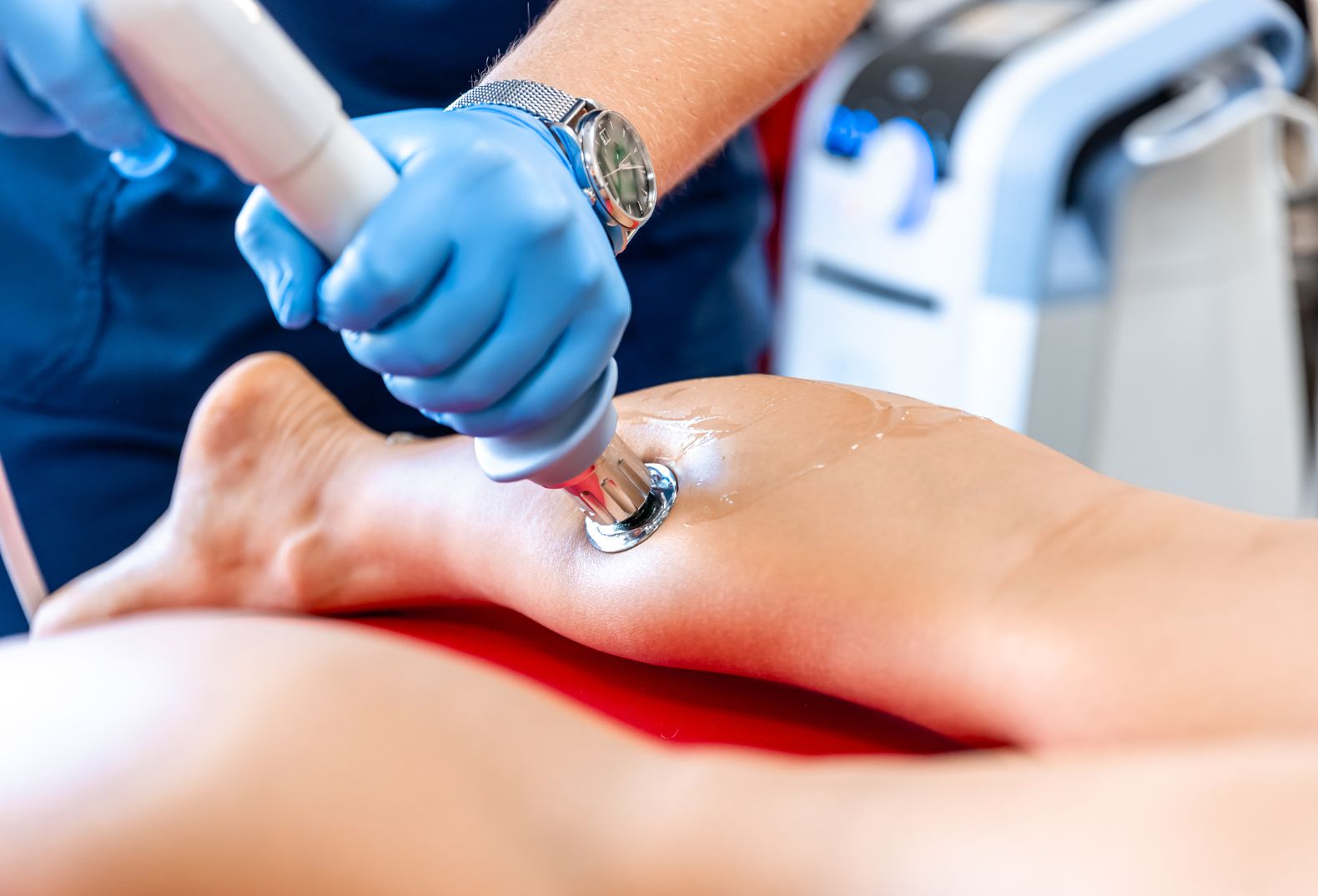
Shockwave therapy, also known as extracorporeal shockwave therapy (ECSW therapy), uses controlled acoustic waves to stimulate natural healing in injured or irritated tissue. These sound waves are delivered through a handheld device placed on the skin over the painful area. The pulses travel deep into the tissue, improving blood flow, reducing sensitivity around the tendon and encouraging recovery.
A typical shockwave therapy appointment is short, often lasting only a few minutes once the treatment begins. The physiotherapist will apply gel to the area first to help the device glide smoothly and deliver the pulses effectively. While the sensation can feel firm or tapping-like, the intensity is always adjusted to a comfortable and therapeutic level.
At Elite Performance Physio Manchester, shockwave therapy is used alongside tailored rehabilitation to help patients recover more effectively. To see how this treatment works within our clinic, check out our shockwave therapy services.
Conditions Treated with Shockwave Therapy
Because these conditions often involve reduced blood flow and long-standing irritation, they can struggle to heal without additional stimulation. As such, shockwave therapy is often introduced as part of treatment. It is commonly used for:
Tendon Injuries and Healing
Tendon injuries, such as Tennis/Golfer’s Elbow, Plantar Fasciitis, and Achilles Tendinopathy, can be slow to recover because tendons naturally have less blood flow than muscles. Over time, repeated strain can lead to irritation, stiffness and thickening in the tendon.
Shockwave therapy helps by creating controlled micro-stimulation in the tissue, encouraging the body’s natural healing response. As blood flow increases and the tendon begins to repair, patients often notice reduced pain, improved mobility and greater tolerance to loading exercises.
Sports Injuries
Shockwave therapy can also benefit athletes and active individuals experiencing pain linked to overuse, repetitive loading or limited flexibility. Conditions such as Achilles tendon issues, jumper’s knee, and gluteal tendinopathy often develop gradually in sports that involve running, jumping, or sudden directional changes.
By supporting tissue healing and reducing irritation, shockwave therapy treatment helps athletes return to higher training levels with fewer setbacks. It is commonly used alongside sports physiotherapy, where movement correction and strengthening are essential parts of the rehabilitation plan.
How Shockwave Therapy Works: The Science Behind It
During shockwave therapy, controlled sound waves are delivered into the affected tissue through a specialised device. These mechanical pulses help the body heal by improving blood flow, breaking up calcification, encouraging collagen production, reducing chronic inflammation and boosting the natural repair response. The combination of these effects helps reduce pain and improve the function of the injured area.
A typical course of treatment ranges from three to six sessions, but your physiotherapist may recommend more or fewer depending on the condition and your progress. Improvements can begin after the first session, but become more noticeable as the tissue responds over time.
To understand how shockwave fits into a broader rehabilitation approach, you can read our guide to physiotherapy.
Is Shockwave Therapy Right for You?
Before starting any shockwave therapy treatment, your physiotherapist will go through your medical history to make sure the therapy is safe and appropriate for you.
Shockwave therapy may be suitable if you:
- Have chronic tendon pain that has lasted several months
- Have tried physiotherapy exercises, but still struggle with discomfort
- Need a non-invasive option before considering injections or surgery
- Experience pain during loading, running, jumping or repetitive movements
This treatment is considered safe when delivered by trained clinicians, but there are certain situations where it should not be used. It is not recommended if you:
- Have a blood-clotting disorder or take blood-thinning medication
- Have a nerve condition
- Are pregnant
- Have or have had bone cancer
- Have an active infection in the treatment area
- Have metal pins or plates in the area being treated
- Have received a steroid injection in the same area within the last 12 weeks
- Have taken non-steroidal anti-inflammatory medication in the last two weeks
If any of these apply to you, book a consultation and Elite Performance Physio Manchester will discuss the safest alternatives or adjust your treatment plan accordingly.
Patient Testimonials and Research Evidence
Research consistently shows strong outcomes for shockwave therapy in tendon-related problems. Many studies report reduced pain, improved function and faster return to activity when shockwave is combined with targeted rehabilitation.
At Elite Performance Physio Manchester, we have seen similar results in our clinic. Based on reviews of our clinic, here are some examples of real patient experiences:
‘I can’t recommend Dan highly enough! After struggling with persistent hip pain, he quickly and accurately identified the root cause and put together a clear, effective treatment plan. The shockwave therapy provided significant relief, and the targeted exercises he prescribed have been incredibly helpful in preventing recurrences,’ Gaynor Clarkson said.
‘Beyond his expertise, Dan is friendly, professional, and genuinely invested in my recovery. He took the time to explain everything and made sure I felt confident in managing my progress.
If you’re looking for a skilled, knowledgeable, and caring physio, look no further. Thanks again for your help!,’ Clarkson added.
Take the First Step Toward Better Movement and Less Pain
Living with persistent tendon pain or long-standing soft tissue symptoms can affect your training, daily activities and confidence. Shockwave therapy offers a way forward for many people, especially when strengthening alone has not provided enough relief.
Our team at Elite Performance Physio Manchester will guide you through the process, from assessing whether shockwave therapy fits your condition to planning a treatment pathway that supports real and lasting improvement. With the right combination of loading, movement retraining, and shockwave therapy treatment, many of our patients notice meaningful changes in how they move and feel.
Start your recovery today with a professional physiotherapist near you. Call 0161 888 0839 or email info@eliteperformancephysiomanchester.co.uk to book your appointment and learn more about extracorporeal shockwave therapy and what your personalised next steps could look like. Or, follow us on our Facebook and Instagram for expert tips and clinic updates.
Frequently Asked Questions About Shockwave Therapy
What should I expect during shockwave therapy?
You will be positioned comfortably while gel is applied to the area being treated. A handheld device delivers pulses that may feel firm or tapping-like. The session lasts only a few minutes, and the intensity is adjusted to a comfortable therapeutic level.
Is shockwave therapy safe during pregnancy?
No. Shockwave therapy is not recommended during pregnancy.
Is shockwave therapy effective for hip tendonitis?
Yes. Shockwave therapy is frequently used for gluteal tendinopathy and hip-related tendon pain, especially when symptoms have persisted for several weeks or months.
Can shockwave therapy help with knee pain?
It can help if the knee pain is tendon-related, such as jumper’s knee or issues involving the patellar tendon. Your physiotherapist will assess whether it is suitable for your specific condition.
How long should I rest after a shockwave therapy session?
You should avoid high-load or high-impact activities for 24 to 48 hours. Light movement and daily activities are usually fine unless advised otherwise.
How can I tell if shockwave therapy is working?
Most people notice reduced pain, better movement or improved tolerance to loading exercises within a few sessions. Progress becomes easier to see as strengthening and rehabilitation continue.
Can shockwave therapy rebuild cartilage?
Shockwave therapy does not directly rebuild cartilage. However, it can stimulate collagen production and improve the health of surrounding soft tissues, which may help reduce joint pain and support better movement.