

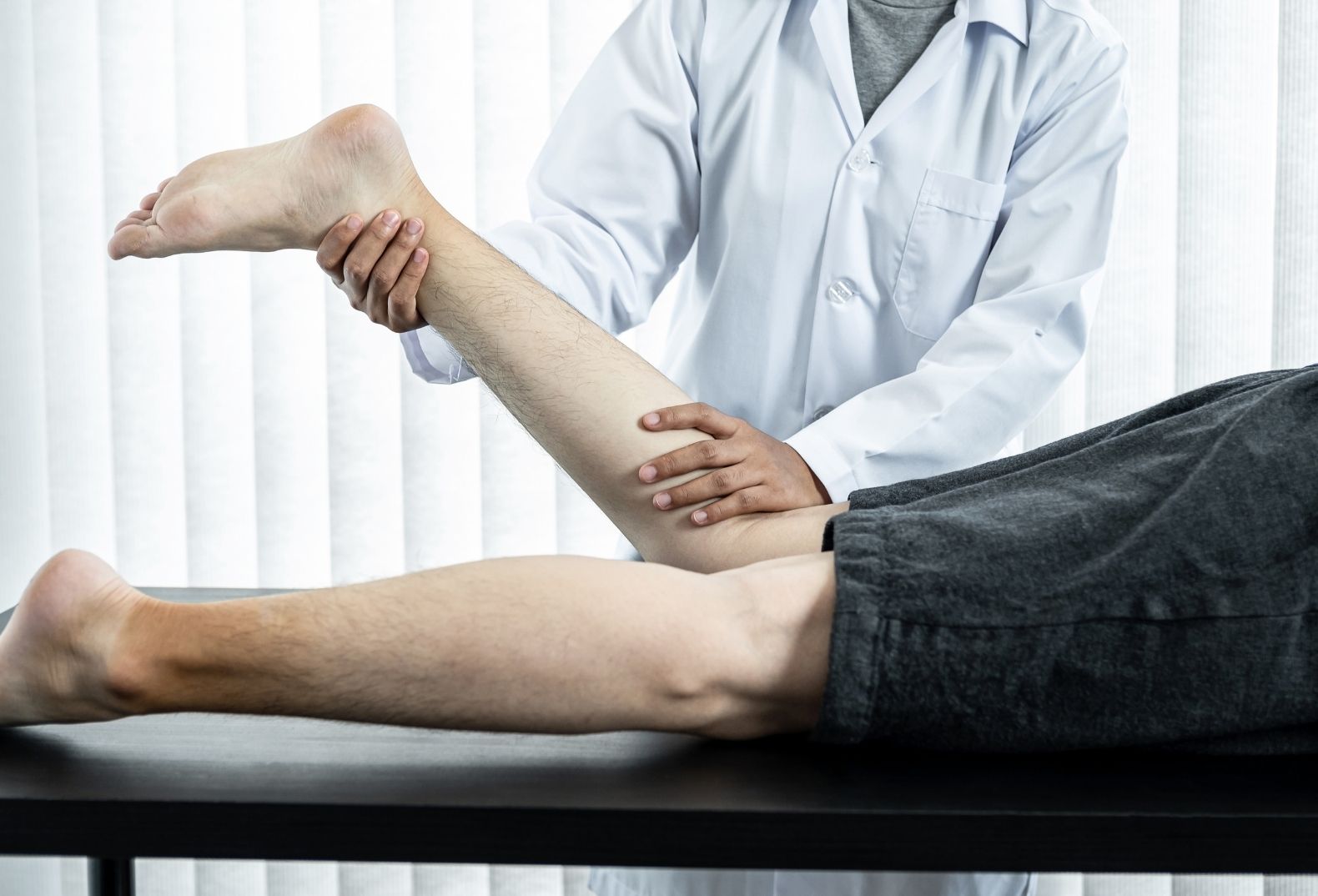
Sports Rehabilitation: Getting Back in the Game After Injury
Sports Rehabilitation: Getting Back in the Game After Injury
From competitive athletes to casual runners and regular gym-goers, time away from training due to an injury can affect both physical performance and confidence. Sports rehabilitation supports recovery by helping you regain strength with a reduced risk of future injury and greater confidence in returning to the physical activities you love.
What is Sports Rehabilitation?
Sports rehabilitation is a specialised branch of physiotherapy designed for physically active people. Its goals include:
- Restoring strength and power
- Improving mobility and flexibility
- Rebuilding balance and coordination
- Regaining confidence in movement
Unlike standard rehabilitation, sports rehab prepares you for athletic performance, including running, jumping, cutting, lifting, or changing direction safely. Starting rehab early also lowers the risk of re-injury, as weaknesses and movement issues are addressed before you return to full training.
Common Sports Injuries Treated with Physiotherapy
Sports injuries can affect different parts of the body depending on the activity, training load, and movement patterns involved. Physiotherapy helps identify the cause of injury and guides recovery through progressive rehabilitation.
Ligament and Muscle Injuries
Sports injuries can happen suddenly or develop gradually through overuse. Without proper care, they can become long-term issues.
Some of the most common injuries treated in sports rehab include:
- ACL tears
- Hamstring, groin, and calf strains
- Rotator cuff shoulder injuries
- Ligament sprains
Through physiotherapy, rehabilitation is supported using hands-on treatment and progressive exercise. This helps reduce pain and swelling, improve joint movement, rebuild strength safely, and refine your body’s movement.
At Elite Performance Physio Manchester, our sports physiotherapy programmes are tailored specifically to the demands of your sport and physical activity. We combine expert assessment with sport-focused rehabilitation, so your recovery is highly individualised and supports a sustainable return to training.
Recovery Timelines and Expectations
Recovery looks different for everyone, with factors such as injury type, age, overall health, and training history all influencing how quickly you heal. But having a general idea of timeframes can help set realistic expectations.
As a guide:
- Mild sprains may improve within days, while more serious ones can take weeks
- Muscle injuries often require several weeks to regain strength
- Fractures usually need at least six to eight weeks to heal
- Ligament injuries often involve longer rehabilitation, particularly after surgery
While symptoms may improve quickly, this doesn’t always reflect full tissue recovery. Ongoing assessment by a professional allows your programme to progress based on function rather than only on pain levels. As a result, this helps reduce the risk of setbacks.
Sports Rehab Techniques at Elite Performance Physio Manchester
Sports rehabilitation at Elite Performance Physio Manchester combines manual therapy with targeted performance training to guide recovery from injury. The focus is on steady progression, helping you regain movement quality and sport-specific strength in a controlled way.
Techniques we use include:
- Manual Therapy and Soft Tissue Work: Our manual therapy techniques focus on easing muscle tension, improving mobility, and supporting smoother movement during rehabilitation.
- Strength and Conditioning Programmes: We deliver progressive programmes that rebuild power in key areas, including the glutes, quads, hamstrings, and core.
- Biomechanical Assessments: The team uses biomechanical screening to help pinpoint movement inefficiencies that may have contributed to injury.
- Return-to-Sport Testing: Before you return to training, we run sport-specific tests to assess strength, balance, and control.
For a deeper look at how these techniques fit into a complete treatment approach, our comprehensive guide to physiotherapy outlines what to expect from assessment through recovery.
Importance of Customised Rehab Plans
Each person has their own movement patterns, fitness levels, and injury demands, which is why a one-size-fits-all plan rarely delivers the best results. That’s why recovery works best, as it is tailored to the individual.
A customised programme considers your sport, position, past injuries, current strength, and future goals. As you progress, exercises are adapted to match your recovery stage and performance needs. This keeps training effective, safe, and aligned with your return-to-play timeline.
Athlete Success Stories and Expert Advice
Time and again, we see how the proper guidance, tailored training, and ongoing support can make a real difference during recovery.
Chris Cullen’s experience highlights how targeted rehab can support performance goals, even under tight timelines:
“I reached out to Dan in a tricky situation just a couple of months before a 100 mile ultra marathon in September. I was struggling with a persistent IT band issue that was causing a lot of problems with my running, and pain that was making it difficult to train.
Thanks to Dan’s help I was able to get to the start line prepared and ready to take on the race. He worked with me in person, using hands on techniques to relieve the pain and discomfort. He also recommended exercises to directly target the IT band issue, and help make my legs more robust.
Dan provided valuable guidance on how to adjust my running plan to accommodate the injury. He was always available to answer my questions and helped me develop a solid game plan right up until race day.
Dan was a crucial part of my ultra marathon prep, and I couldn’t be more thankful for his expertise and support in helping me reach the start line and ultimately finishing the race. If you’re considering reaching out to a physio, I highly recommend Dan – he’s not only incredibly skilled at what he does but also a genuinely great guy. Thanks again, Dan!”
For Rander Martins, personalised rehabilitation helped him return to elite performance after a serious injury:
“As a professional capoeirista it was devastating to suffer a complete rupture of my achilles tendon and put me out of action, but I had the biggest fortune to be treated by the amazing Dan Turnell. From my very first consultation he treated me with the utmost respect and understanding of my body and its needs. He worked tirelessly with me to rehabilitate thoroughly and as quickly as possible, and the sessions were really tailored to getting my leg strong enough for the particular demands of capoeira.
I feel supported, challenged and understood every session and the gains are amazing. He got me strong enough to be able to go back to teaching safely and earning again within a few months, and helped me stay positive throughout this difficult time. Last week, just 7 months post injury I was able to perform capoeira and acrobatics on stage with confidence and no pain.
I know my rehabilitation will be an ongoing process, but Dan’s expertise has equipped me with the knowledge and tools to continue. I’m immensely grateful for his generosity in how he’s worked with me and I honestly can’t recommend him enough. Muito obrigado meu amigo! 🙏🏾”
Meanwhile, Thomas Meynell’s story shows how focused treatment can restore confidence ahead of competition:
“Would highly recommend Dan as a physio. Had a problem with my quad very close to a powerlifting competition and in just two sessions I’m feeling a lot healthier and confident in competing. Knows his stuff, and has a very calm, understanding approach.
If you are an athlete, or having some aches and pains from the sport you participate in I couldn’t recommend Dan enough.“
These experiences show setbacks from injury don’t have to define your future. With the right support, you can rebuild strength, confidence, and performance in a structured way.
If you’re looking for specialist support to guide your recovery, visit Elite Performance Physio Manchester and find out how sports rehabilitation can help you return to what you love doing. With access to advanced equipment and performance-focused rehab spaces in our clinic, we deliver structured programmes that prepare your body for the demands of your sport while reducing the risk of future athletic injury.
Contact us to book a consultation by calling 0161 888 0839 or emailing info@eliteperformancephyiomanchester.co.uk. You can also follow us on Facebook and Instagram for expert tips and clinic updates.
Frequently Asked Questions About Sports Rehabilitation
How soon after a sports injury should I start rehabilitation?
The sooner you begin rehabilitation, the better. Early input helps manage swelling, preserve mobility, prevent muscle weakness, and lower the chance of ongoing or recurring injuries.
How many sports rehab sessions will I need?
The number of sports rehab sessions varies depending on injury severity and goals. Some need a few weeks, while others require months of structured rehab.
How do you know when an athlete is ready to return to sport?
An athlete is ready to return to sport when structured testing shows they have regained strength, balance, and good movement control. Alongside this, confidence in their body and stable symptom management are just as necessary.
What is the difference between regular physiotherapy and sports rehabilitation?
Sports rehabilitation focuses on sport-specific demands, performance training, and return-to-play testing to make sure your body is ready for the physical requirements of your sport. Regular physiotherapy, meanwhile, tends to focus on reducing pain, improving mobility, and helping people return to routine daily tasks.
Can I continue training while undergoing sports rehabilitation?
In many cases, yes. Training is carefully modified to protect the injured area while still maintaining overall fitness, strength, and conditioning, so you stay active without delaying recovery. However, it’s important to seek professional guidance before making any changes to your routine, as the wrong exercises or loads can slow progress or worsen symptoms. A physiotherapist will help adjust your training safely so you stay active without delaying recovery.
Can sports rehabilitation help prevent future injuries?
Yes. By improving strength, movement control, and loading patterns, sports rehabilitation reduces strain on vulnerable areas and helps lower the risk of future injuries.